
The material library
Thirteen materials across cast urethane, machined metal, and 3D printing. Filter by family, then open a material for details.
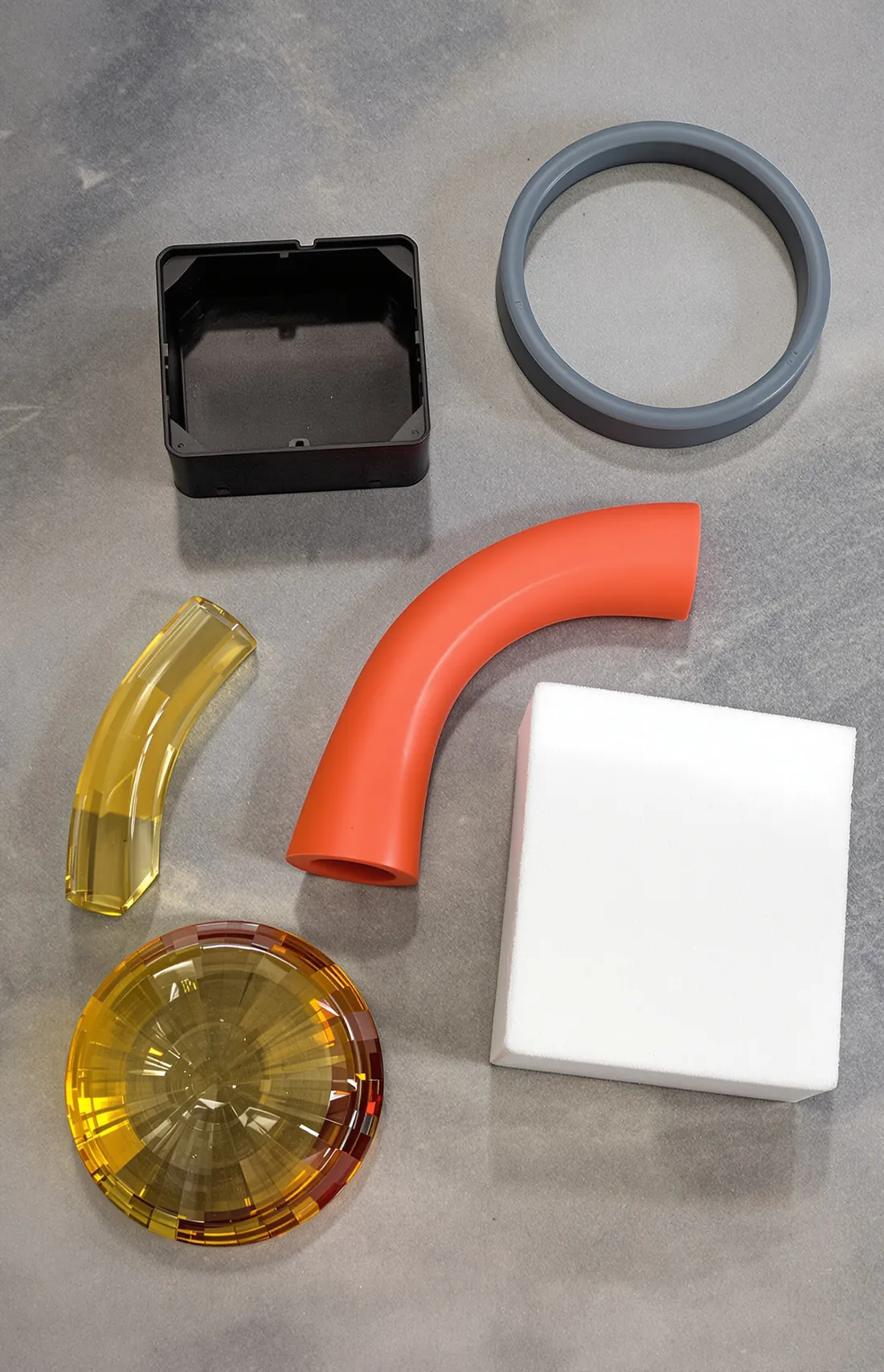
Material library
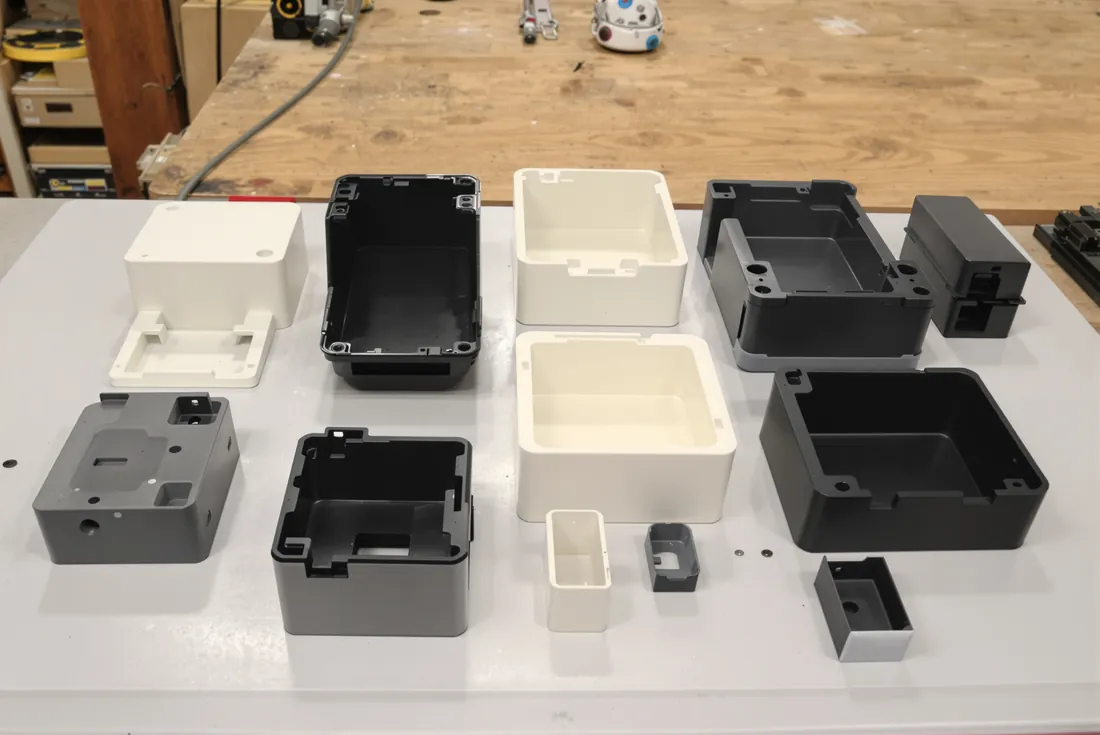
Shore D urethane
Hard, rigid castings that stand in for production plastics.
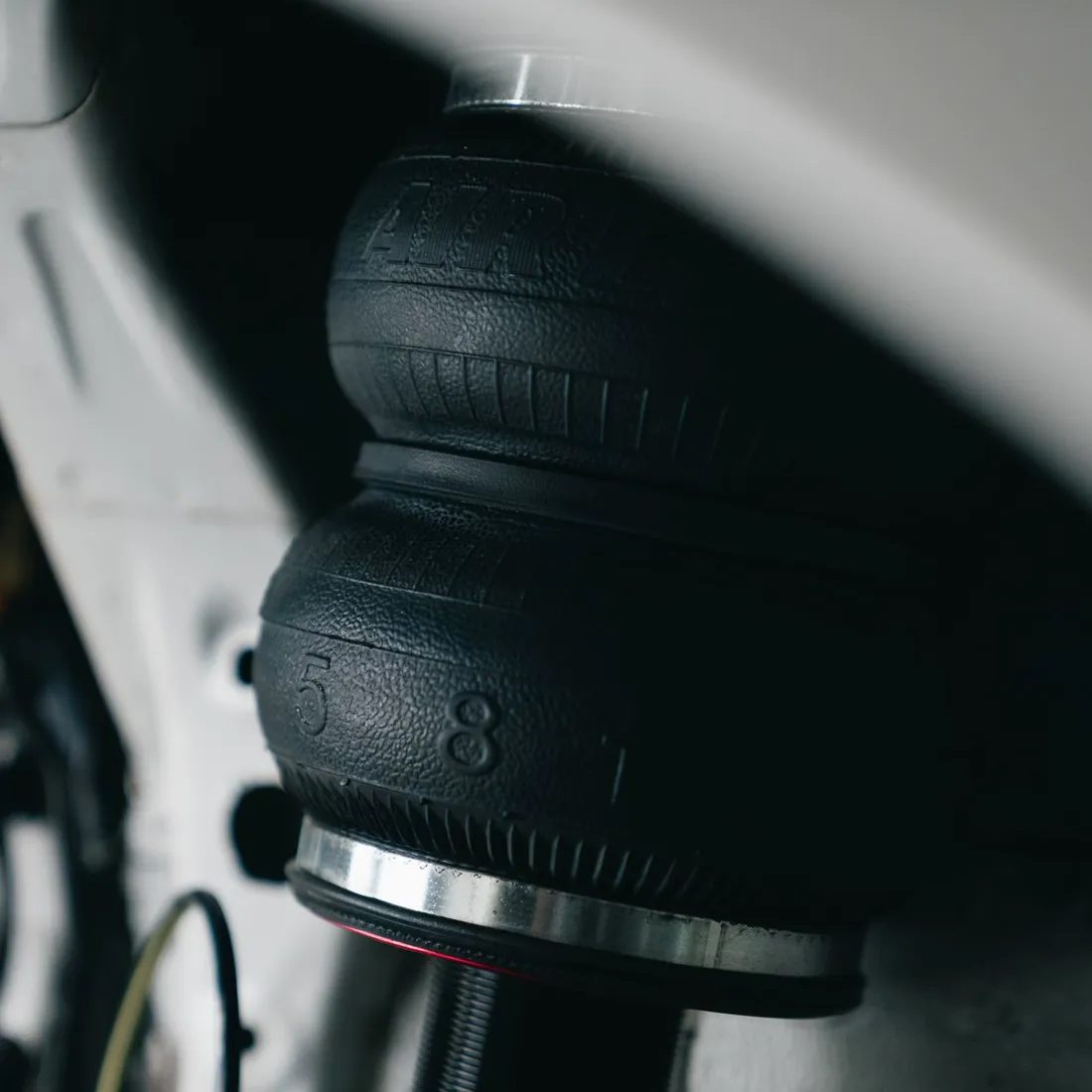
Shore A urethane
Rubber-like elastomers from soft to firm.
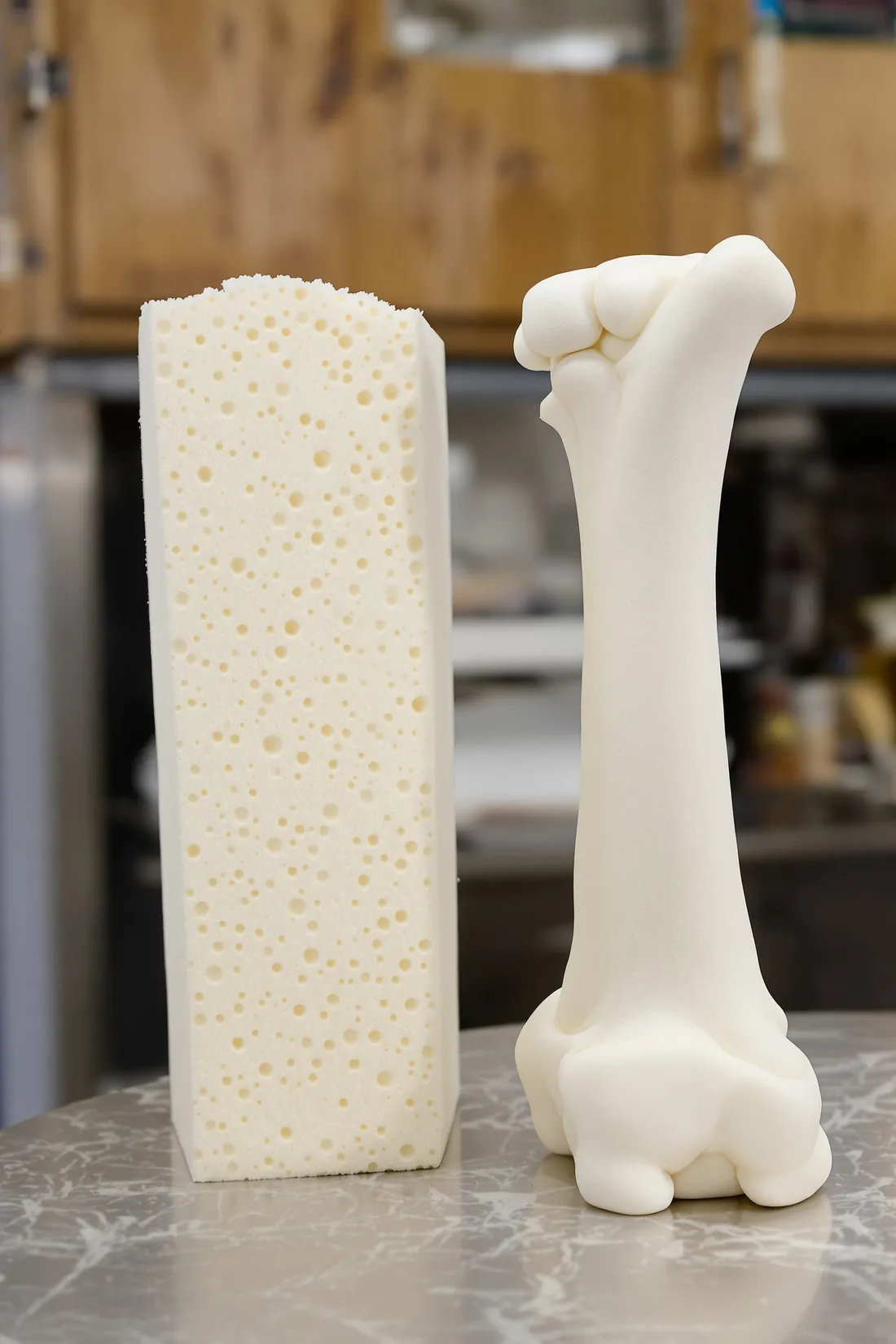
Expanding urethane foam
Lightweight cast foam that fills volume without the weight.
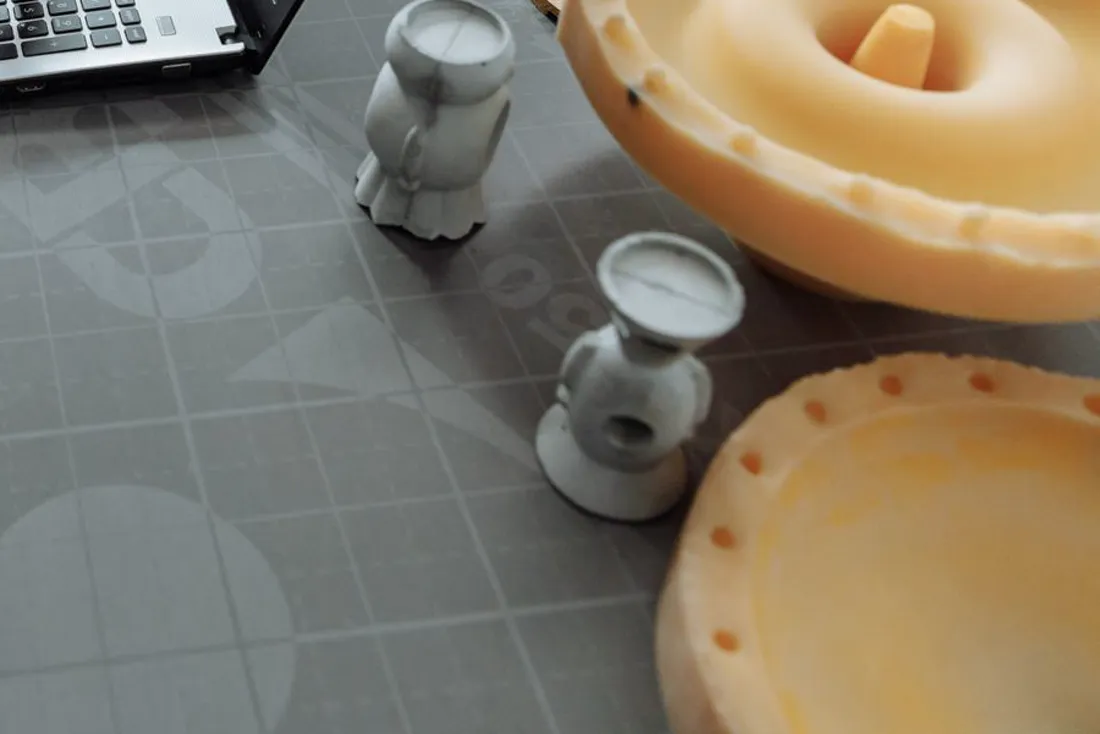
Shore A silicone
Soft, flexible silicone parts with fine detail.
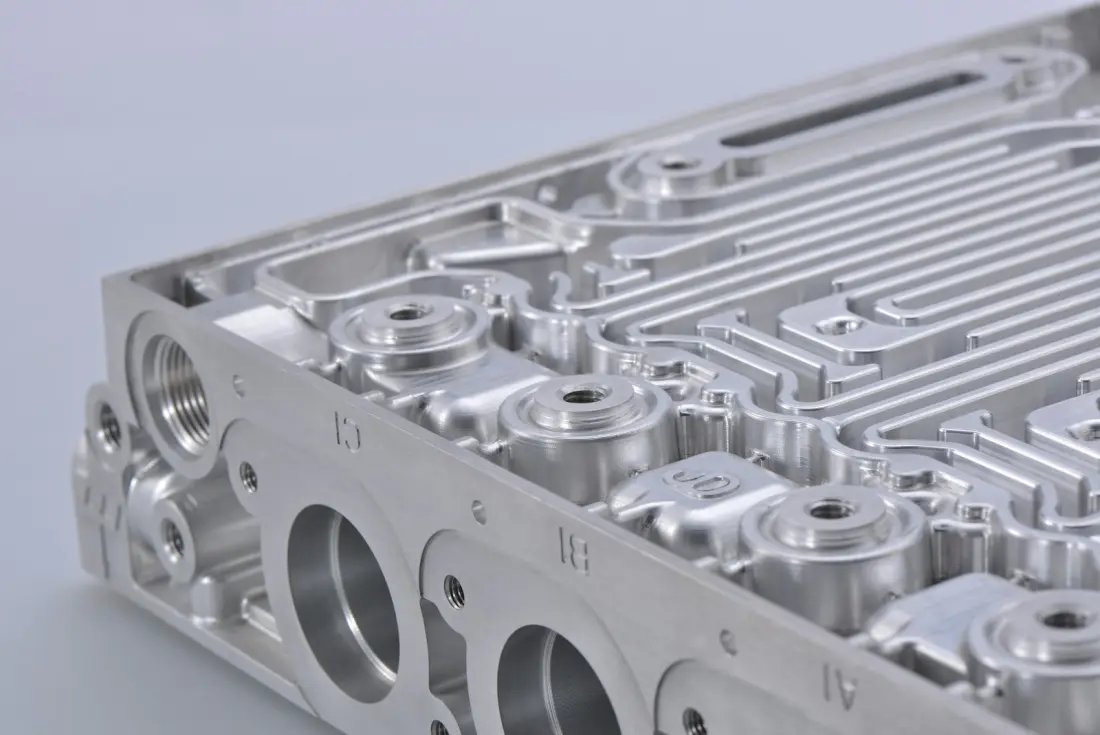
Aluminum 6061
The versatile default: light, strong, and corrosion resistant.
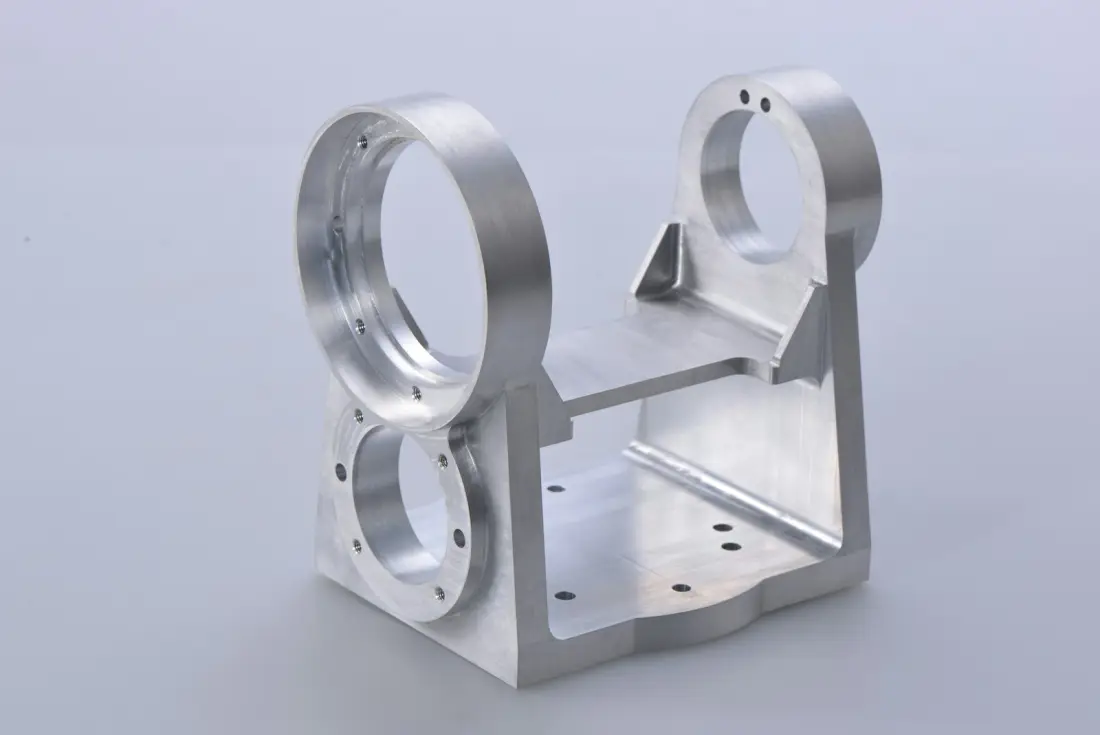
Aluminum 7075
High-strength aluminum for demanding structural parts.
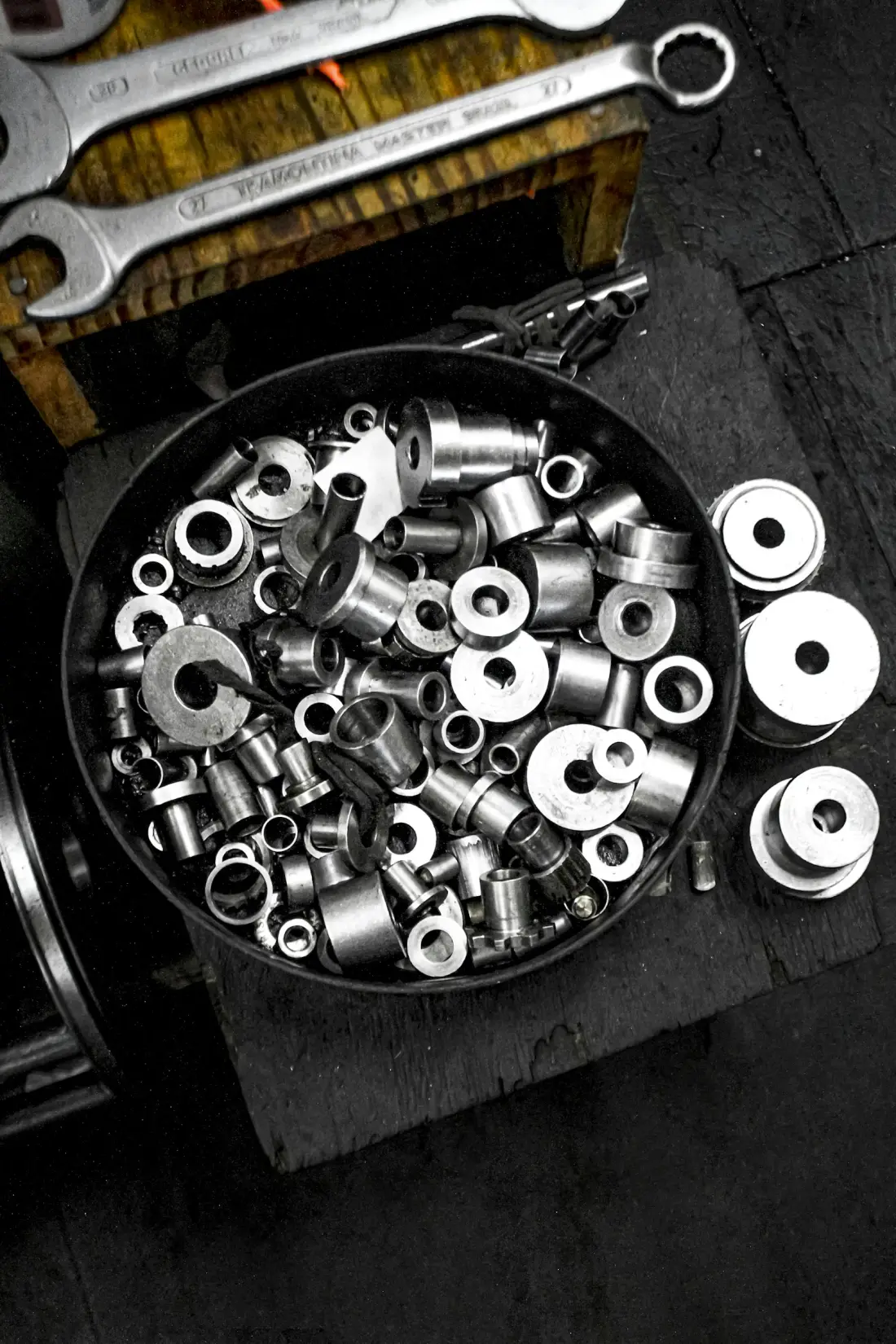
Stainless 303
The free-machining stainless for complex turned and milled parts.
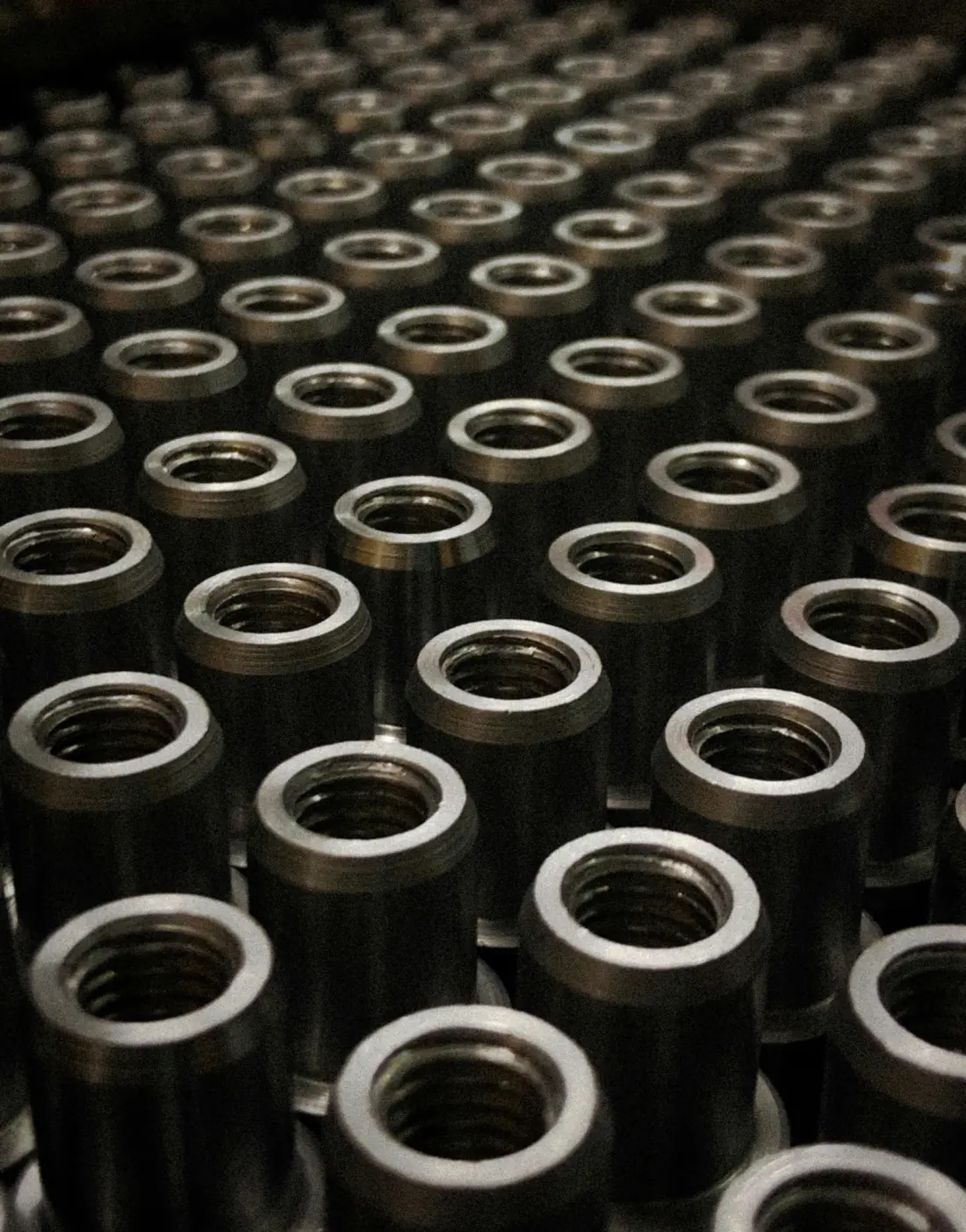
Stainless 304
The general-purpose stainless for most applications.
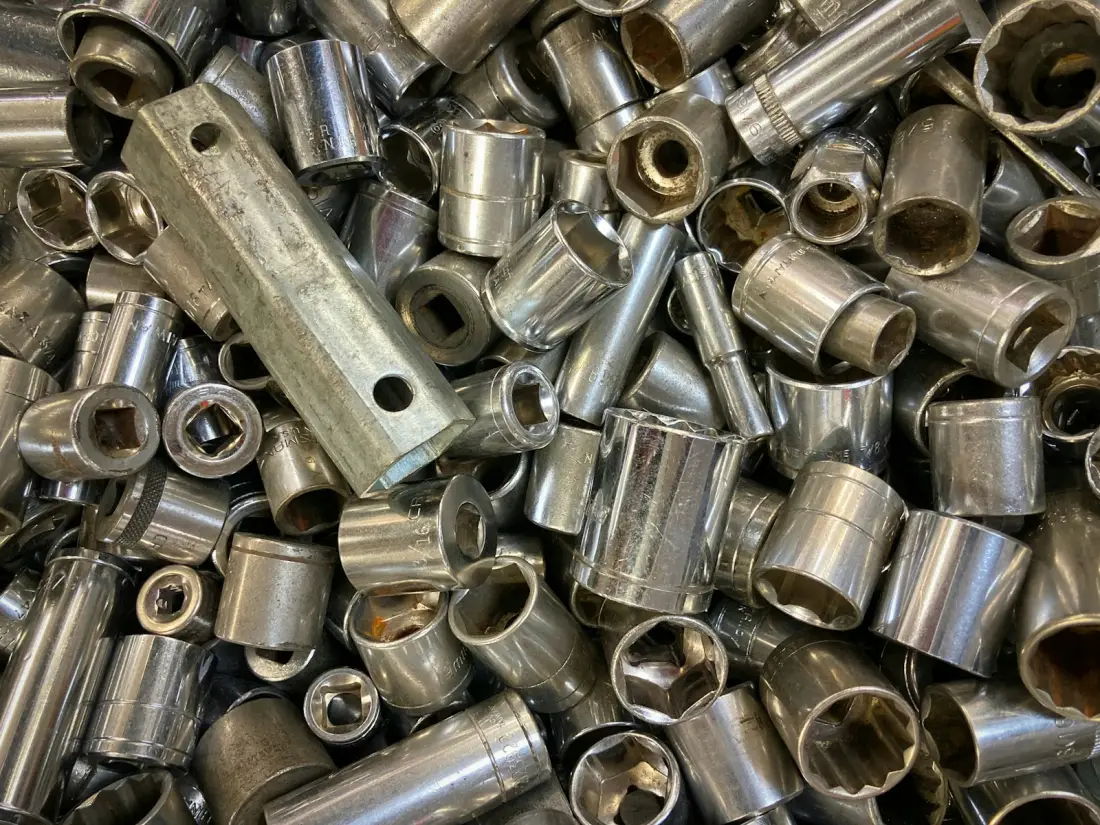
Stainless 316
Molybdenum-bearing stainless for harsher environments.
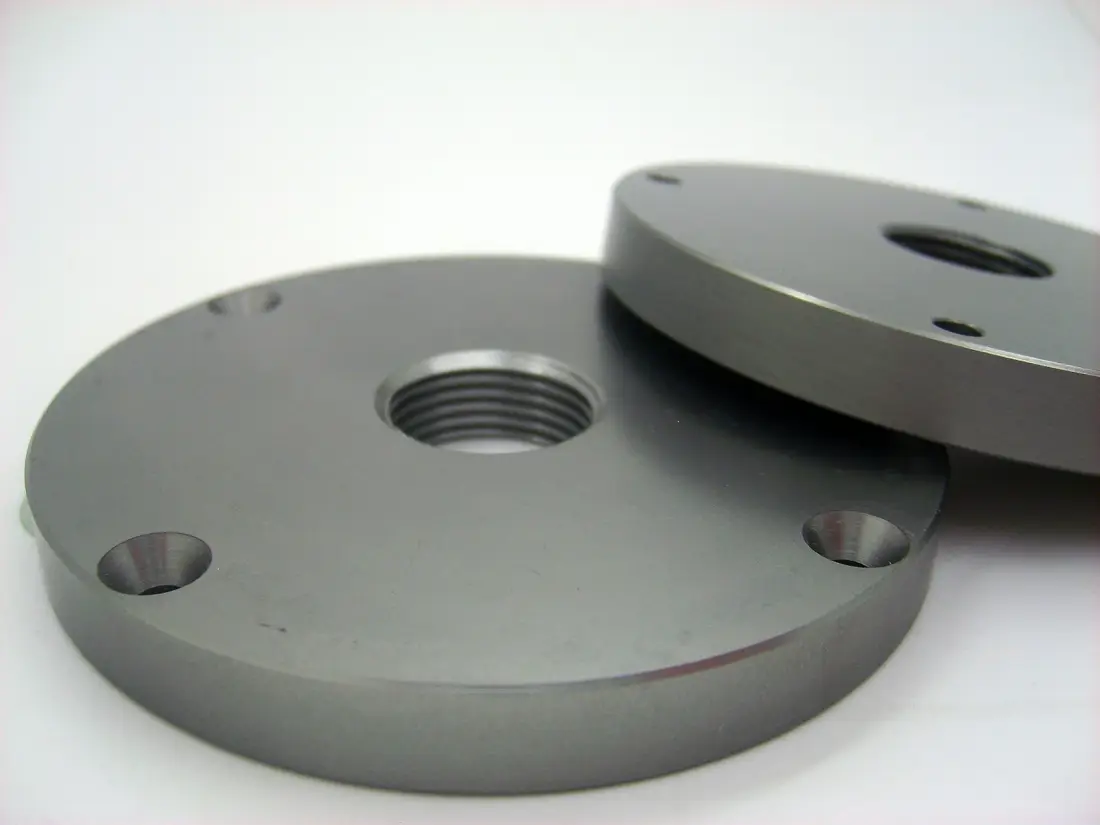
Stainless 17-4 PH
Precipitation-hardened stainless with very high strength.
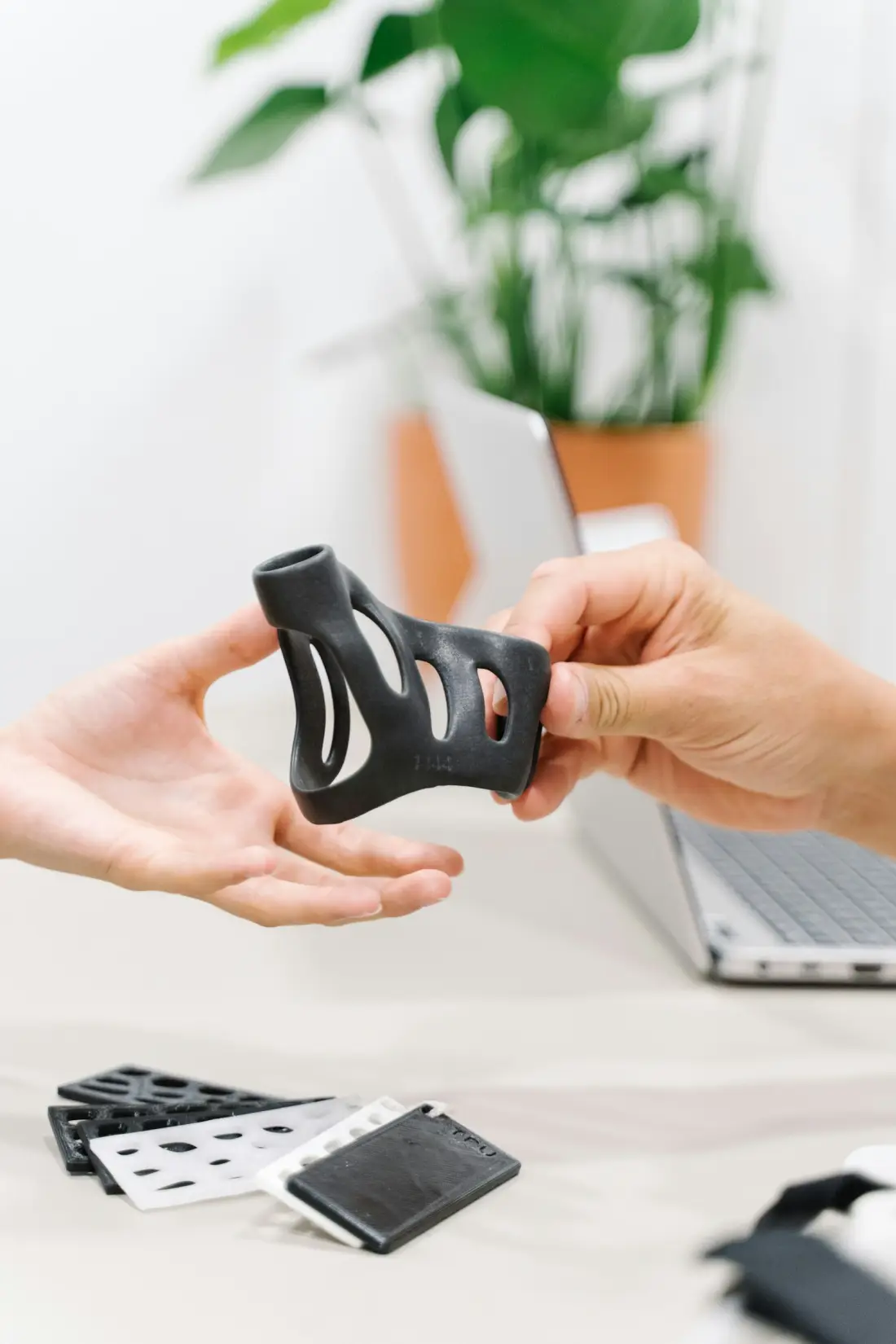
ABS, black
Tough, impact-resistant printed parts in black.
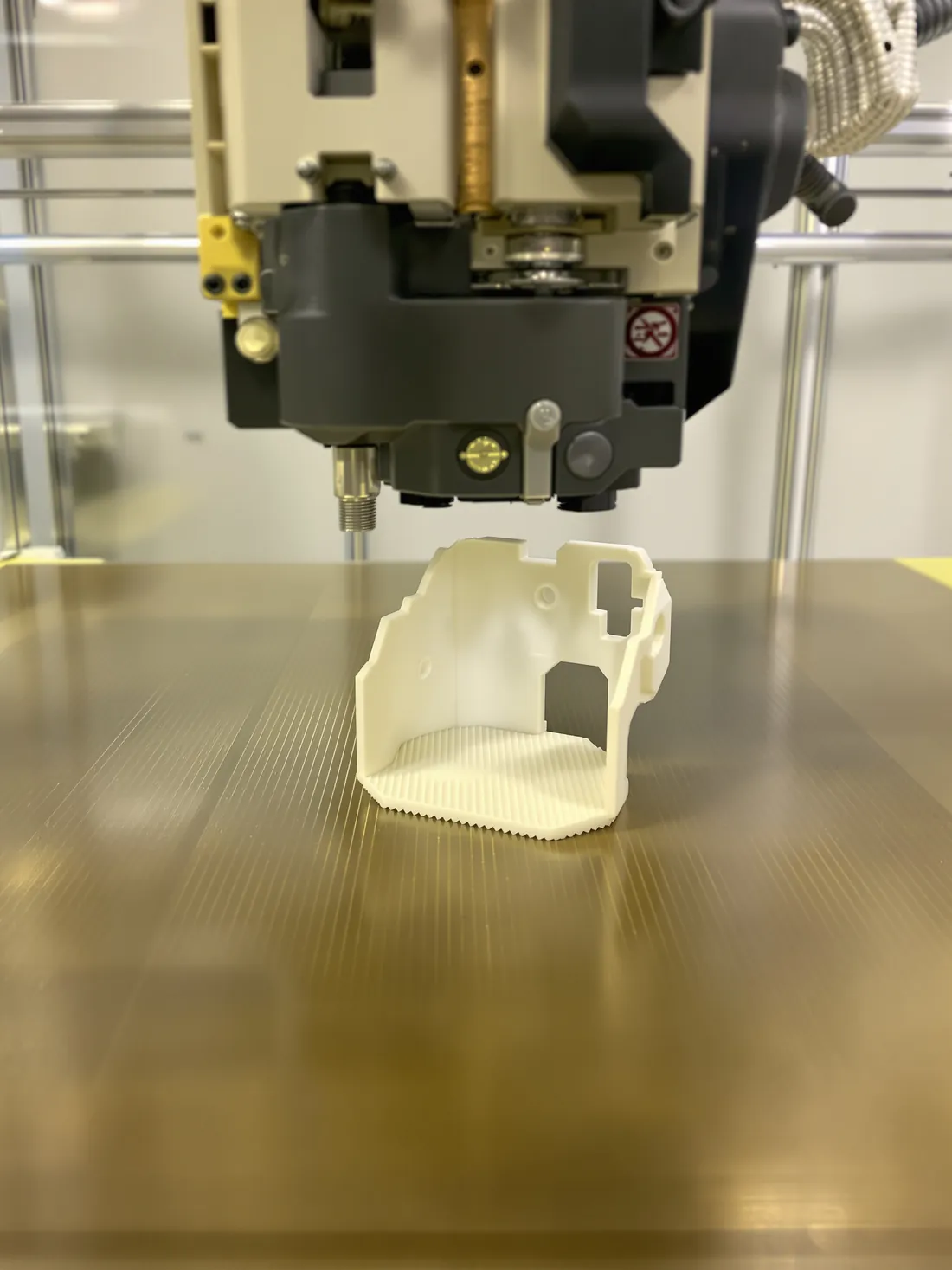
ABS, ivory
The same tough ABS in a light, paint-ready ivory.
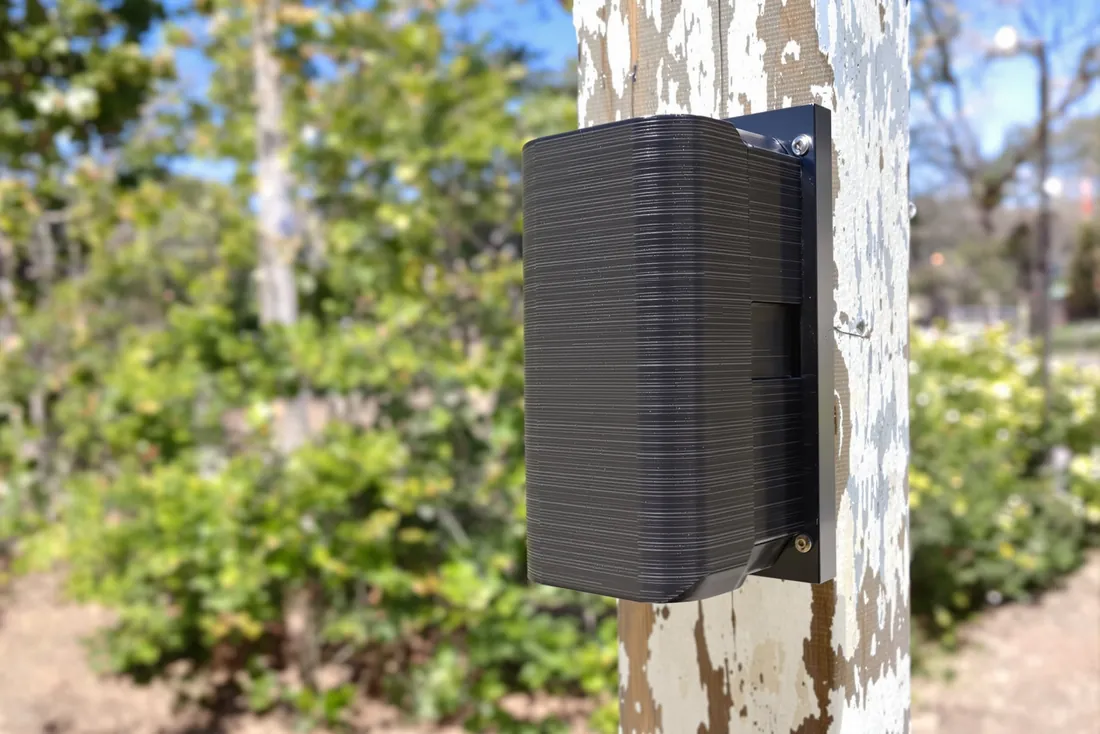
ASA
Weather and UV resistant printed parts for outdoor use.
Three material families
4 gradesUrethane
Rigid Shore D, flexible Shore A, expanding foam, and Shore A silicone, cast from silicone molds.
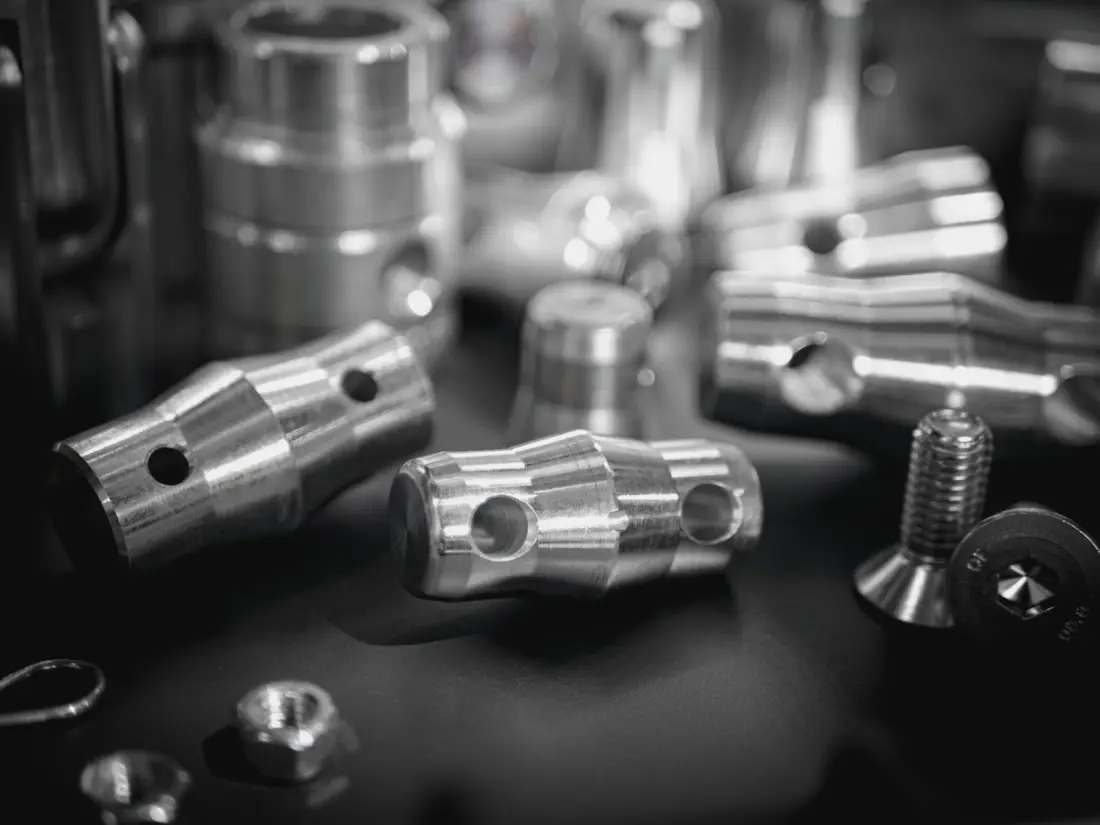 6 grades
CNC Metals
Two aluminums and four stainless steels covering light, strong, easy to machine, and corrosion resistant.
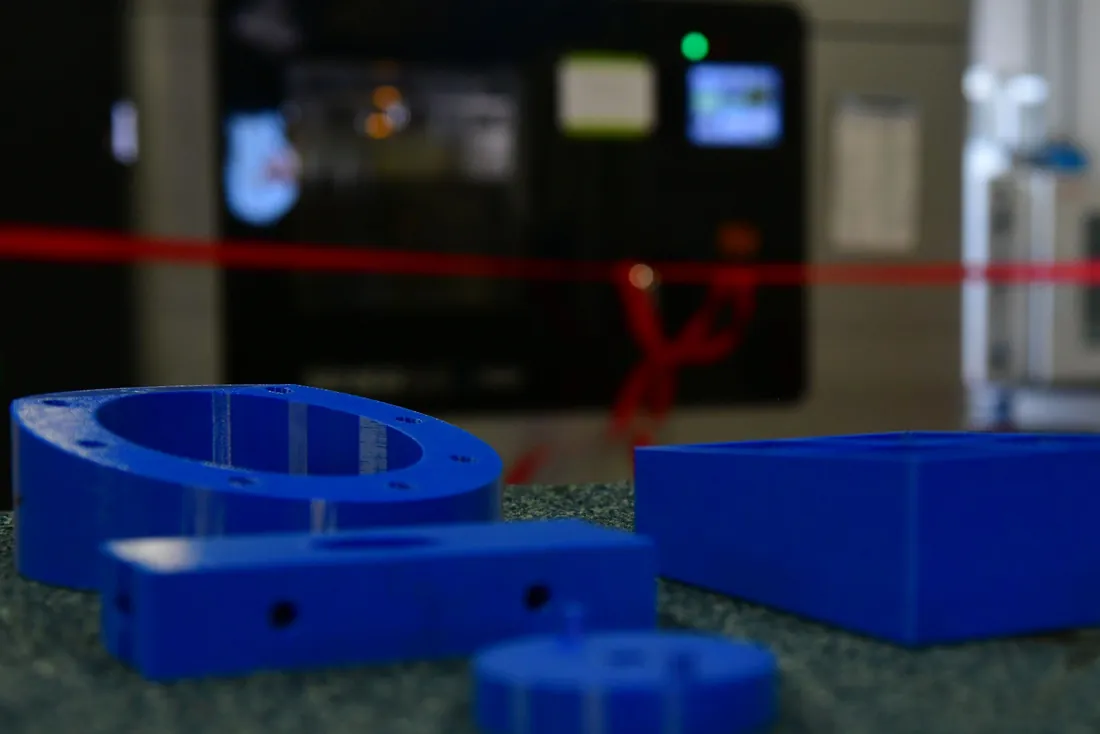 3 grades
Additive
ABS in black and ivory for tough, paintable parts, and ASA for parts that live outside.
Where the urethanes sit on the hardness scales
Shore A covers flexible, rubber-like materials. Shore D covers rigid plastics. Hover a band to see it.
Bands show typical ranges for each material family; flexible urethanes also reach softer than shown. Everyday references are approximate. Foams are specified by density rather than Shore hardness.
Questions buyers ask first
Something else on your mind? Call 1.858.900-9787 or email Jaime@fi9design.com.
Ask. This library covers what we run most often, and we can discuss other materials for your project.
Metal parts are machined, rubber-like and production-like plastic parts are often cast, and fast prototypes are printed. We will recommend one on the quote.
No. Values shown are representative published figures. Actual properties depend on grade, temper, and process, and are confirmed per project.
Need help choosing a material?
Describe what the part does and we will recommend one.