
Eight processes, from prototype to production
See which process fits each stage of development, and how they connect inside one San Diego facility.
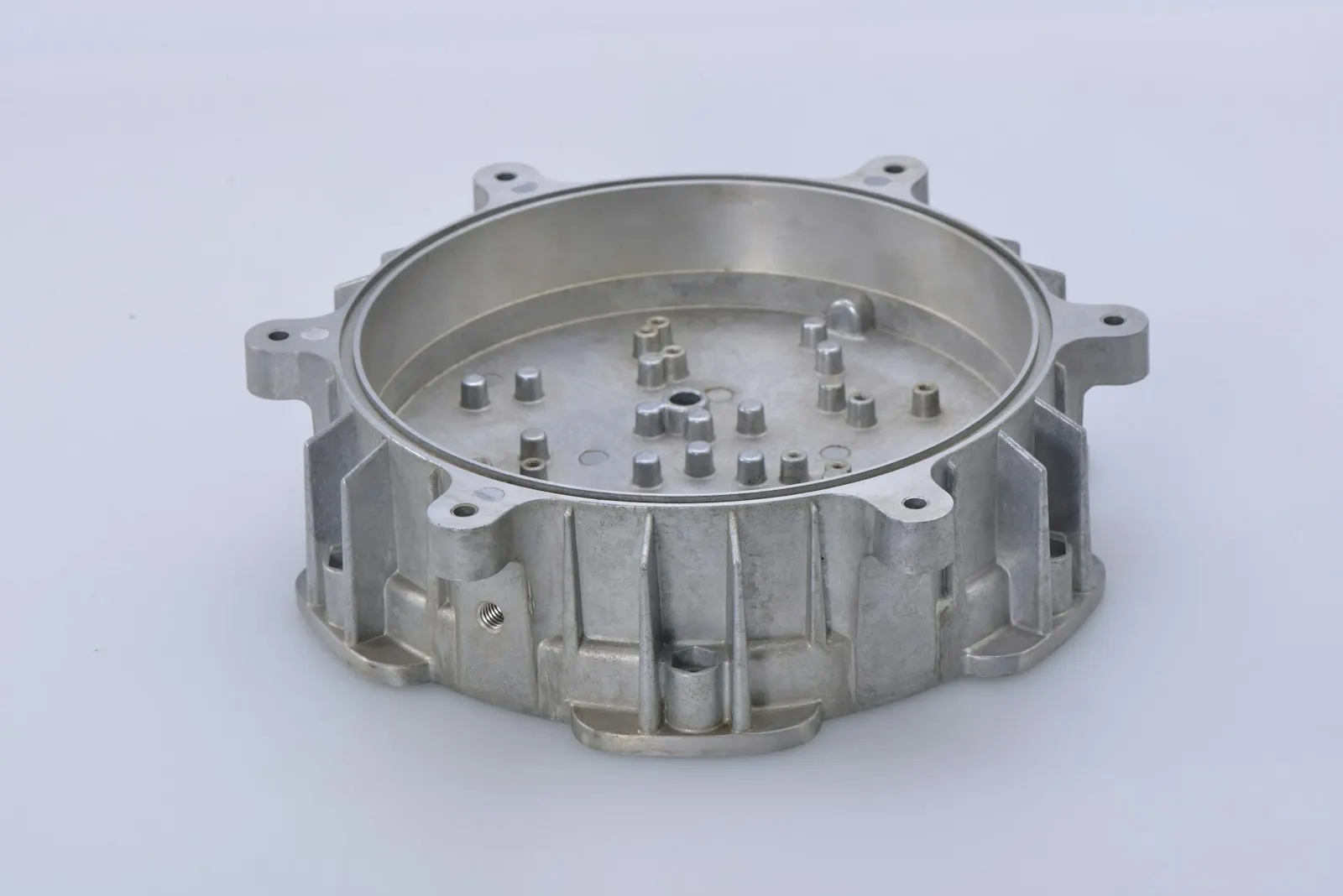
Capability matrix
Where each process fits in development.
| Process | Design | Prototype | Bridge / low volume | Production | Finishing | Best for |
|---|---|---|---|---|---|---|
| CAD modeling | Turning concepts, drawings, scans, and parts into models | |||||
| Design refinement | Fixing fit, walls, and draft before tooling | |||||
| 3D printing | Fast iterations, fixtures, and casting masters | |||||
| CNC machining | Metal parts, fixtures, tooling, and secondary machining | |||||
| Urethane casting | Production-like plastic parts without hard tooling | |||||
| Injection molding | Repeatable plastic parts at volume | |||||
| Painting | Color matching, cosmetic finishes, and vacuum metallizing | |||||
| Turnkey finishing | Assembly, packaging, labeling, silk screening, and pad printing |
How the processes connect
Prototype, bridge production, production, finish.
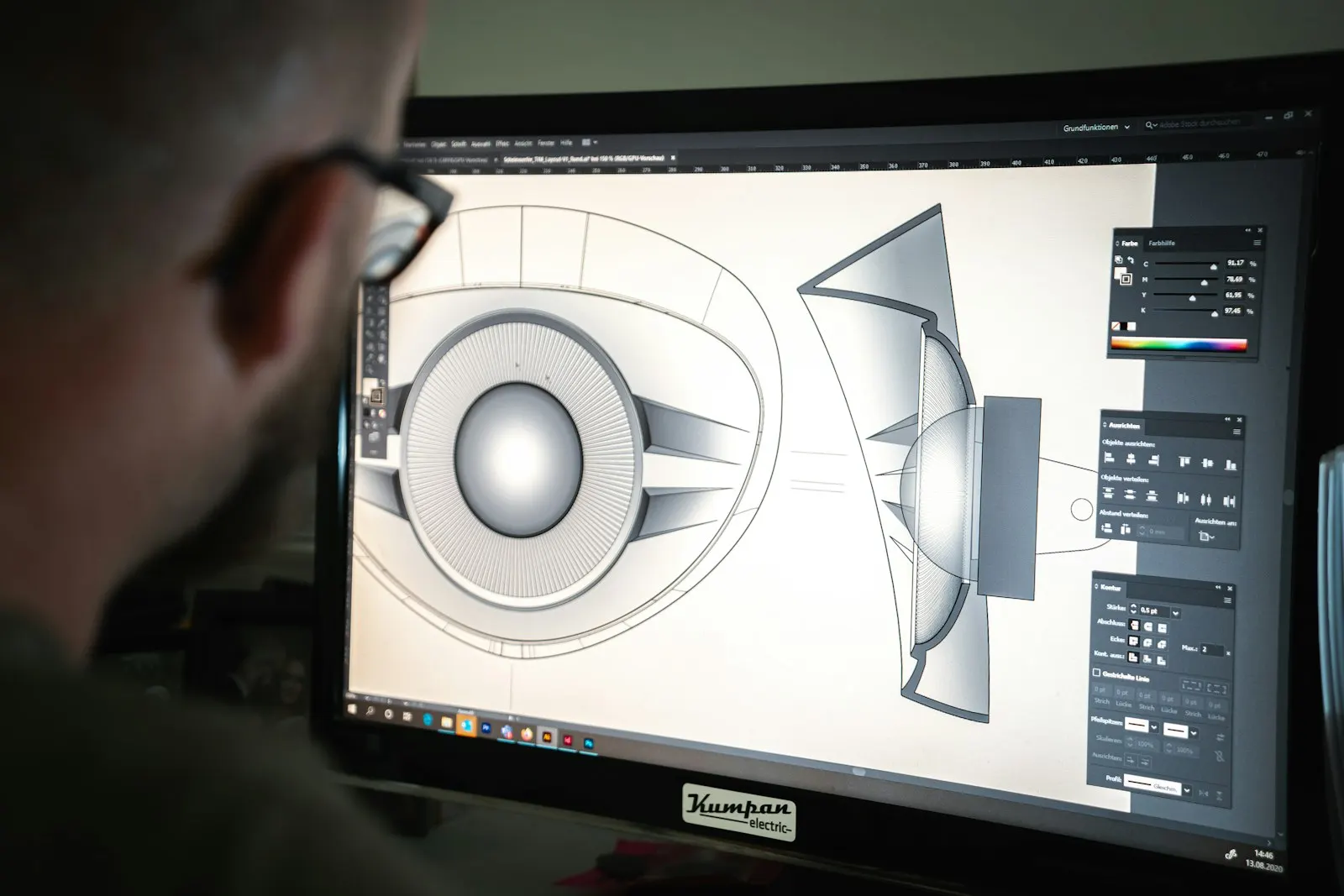 01Design
CAD modeling
Sketches, drawings, scans, or existing parts become manufacturable 3D models.
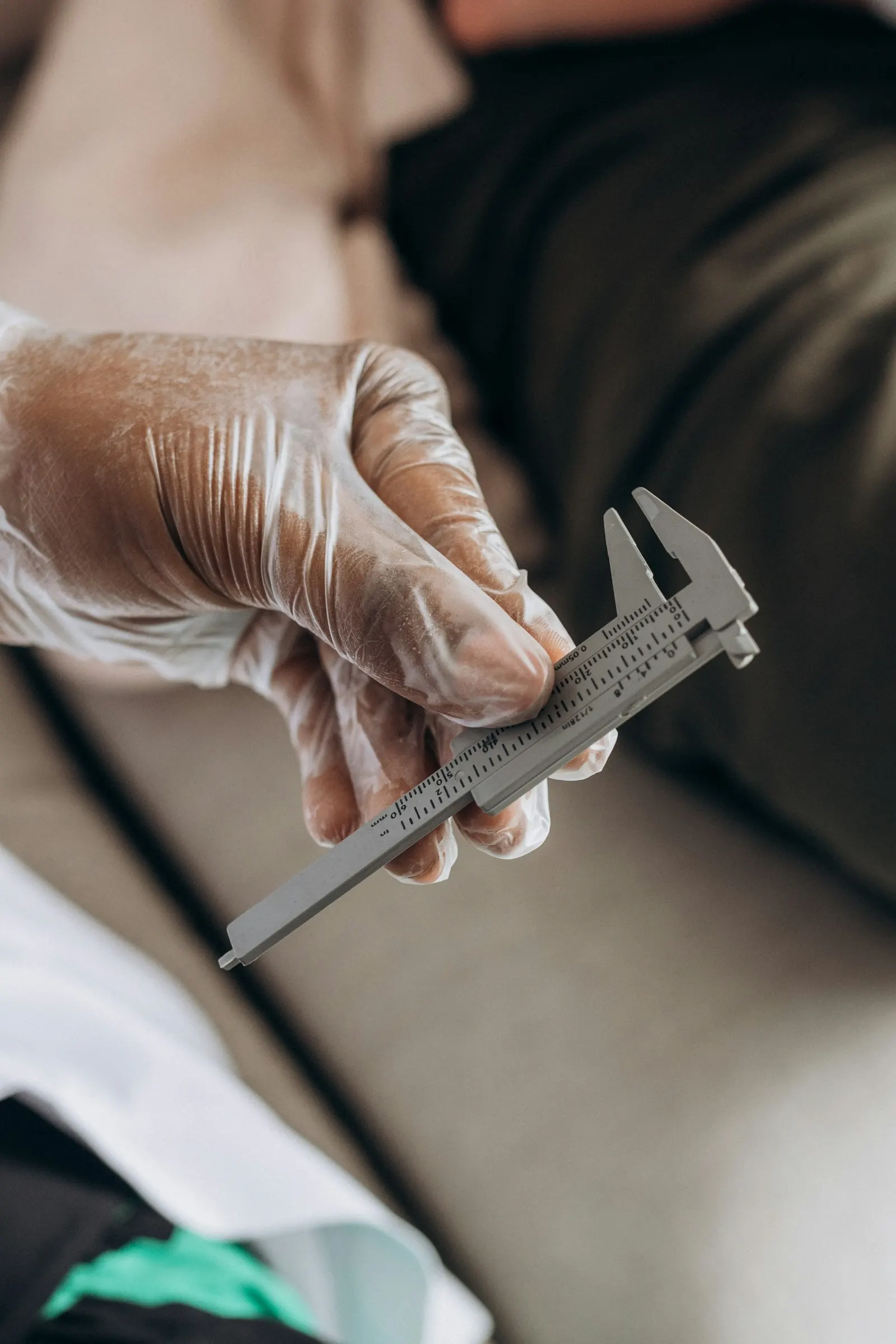 02Design
Design refinement
Walls, draft, fit, and features checked against the process before anything is made.
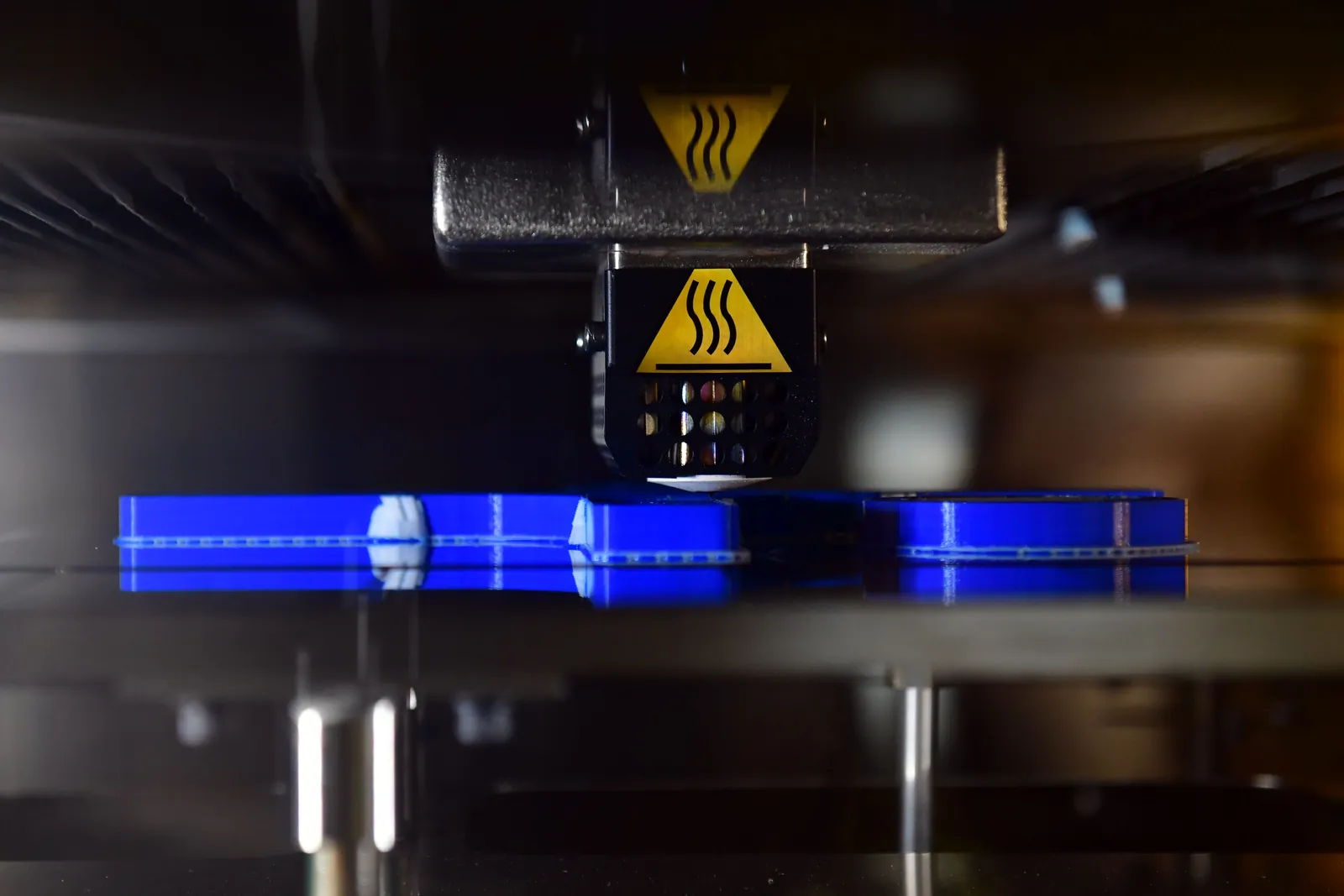 03Prototype
3D printing
Printed prototypes for form, fit, and function, plus masters for casting.
 04Prototype
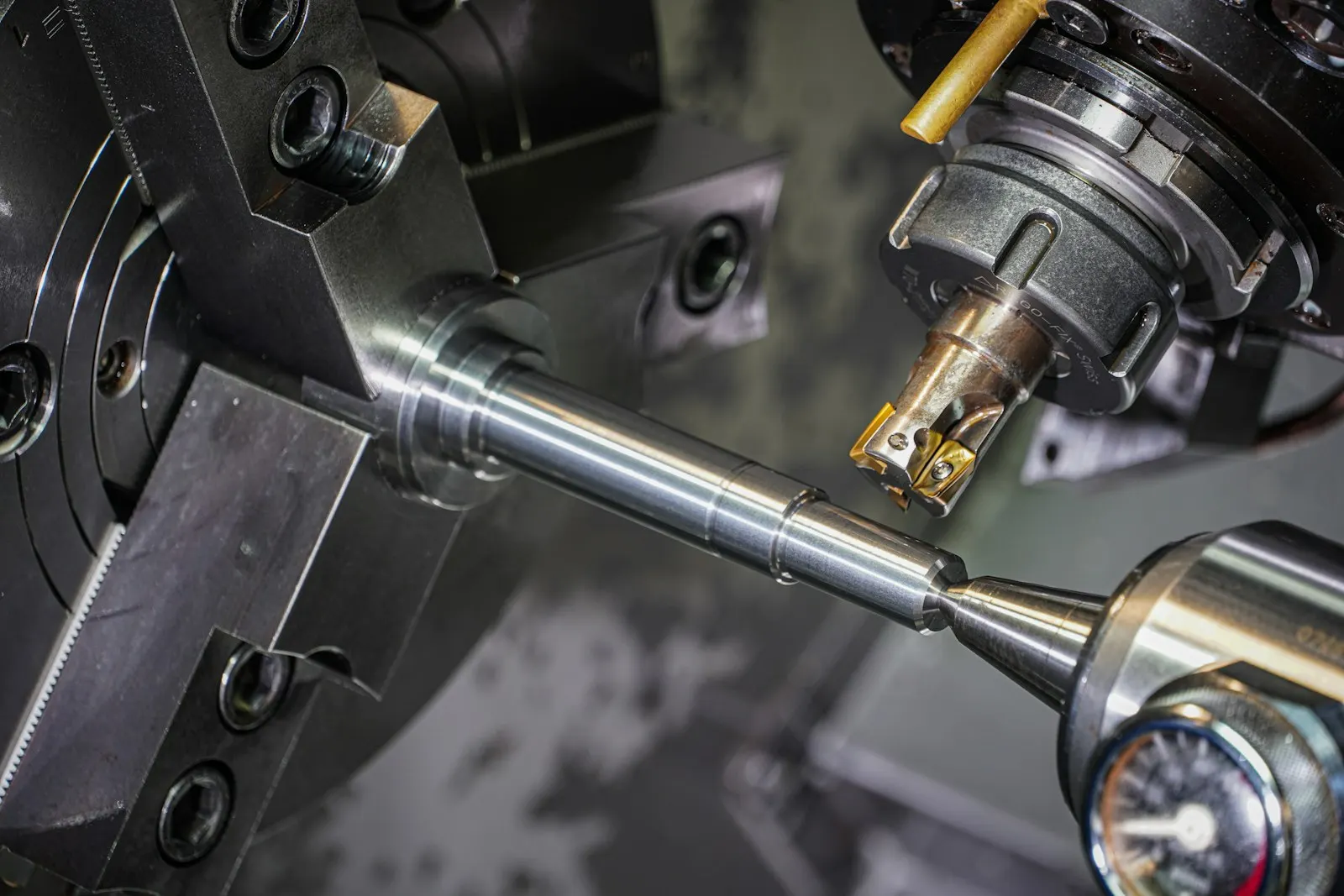
CNC machining
Aluminum and stainless parts for functional testing, fixtures, and tooling.
 05Bridge production
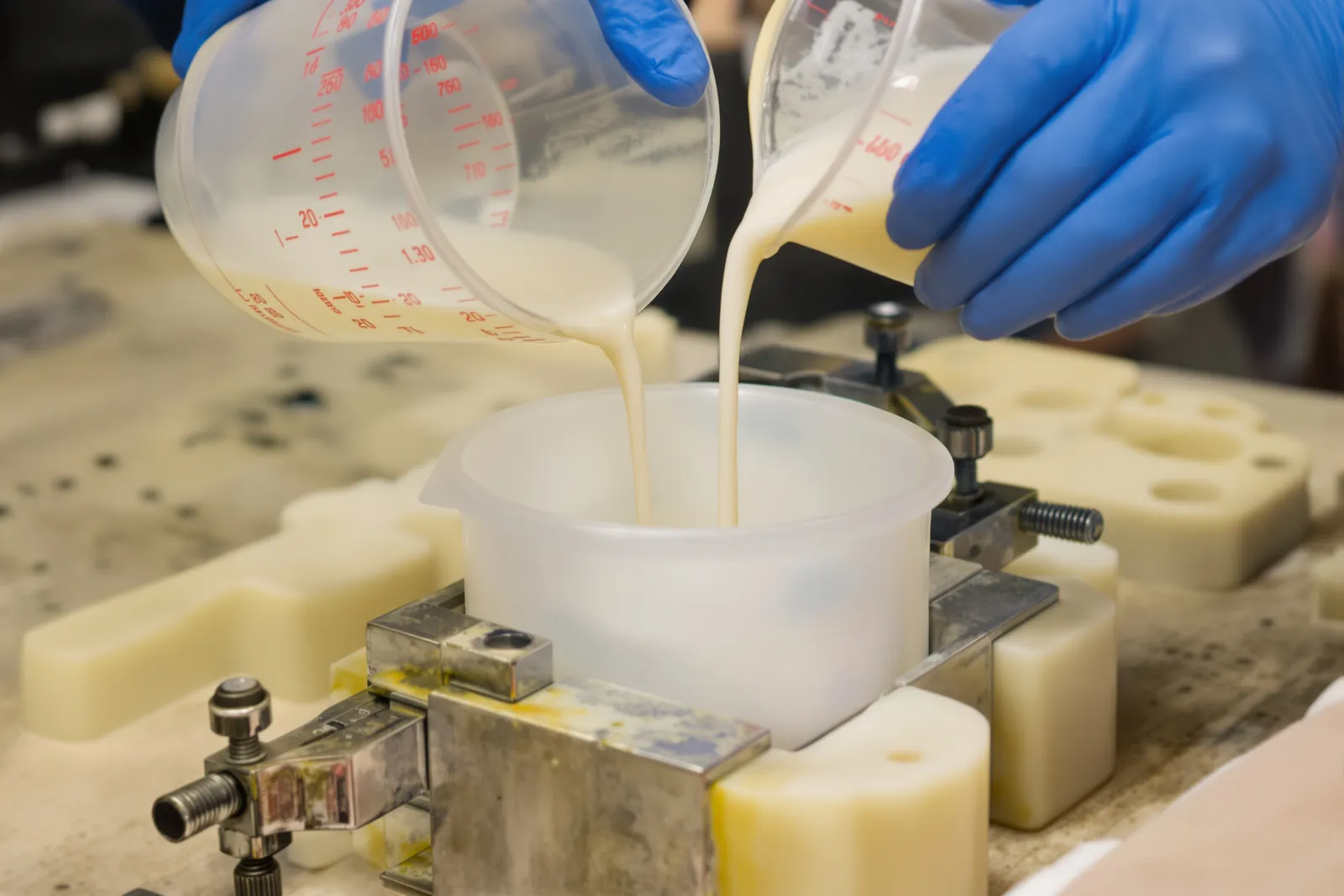
Urethane casting
Silicone molds and cast parts that look and behave like production.
 06Production
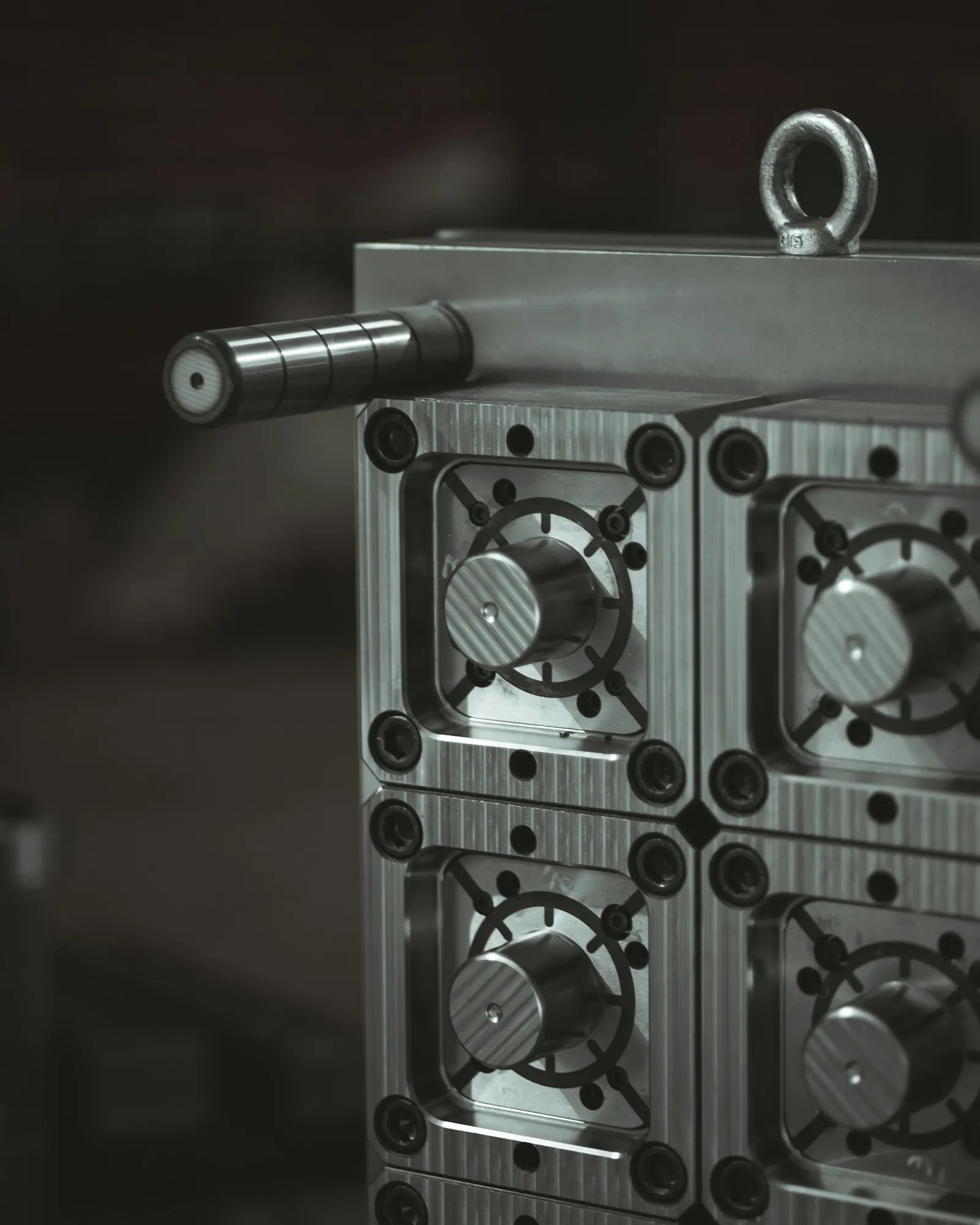
Injection molding
Repeatable plastic parts once the design is proven and volume is real.
 07Finish
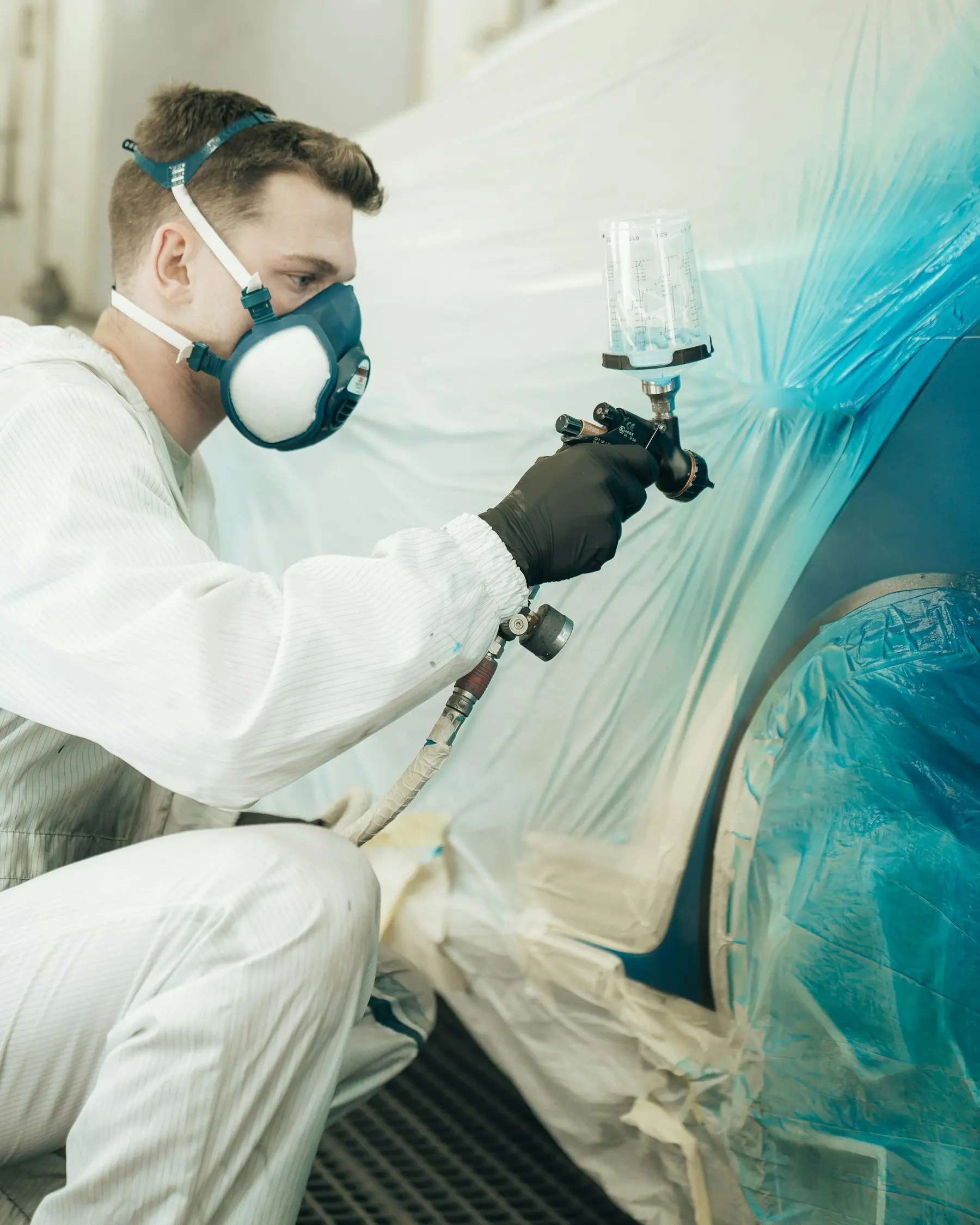
Turnkey finishing
Painting, assembly, packaging, labeling, silk screening, pad printing, and vacuum metallizing.
How we pick the process
Six questions decide it, every time.
Geometry
Shape, size, and features that a process can or cannot make well.
Material
Metal, rigid plastic, rubber-like, foam, or silicone.
Quantity
One part, a short run, or ongoing production.
Application
What the part has to survive and who will handle it.
Schedule
When you need parts in hand.
Budget
Where tooling pays off and where it does not.
Questions buyers ask first
Something else on your mind? Call 1.858.900-9787 or email Jaime@fi9design.com.
The part file or drawing, the quantity, the material or how the part should feel, the finish, and your date.
Yes. Cast parts often get machined features, printed masters become molds, and almost everything can be painted and labeled.
They depend on the part and process, so we confirm them on each quote rather than publishing a single number.
Find the right process for your part.
Send it over and we will recommend one, with reasons.