
Rapid prototypes in your hands while the design is still moving
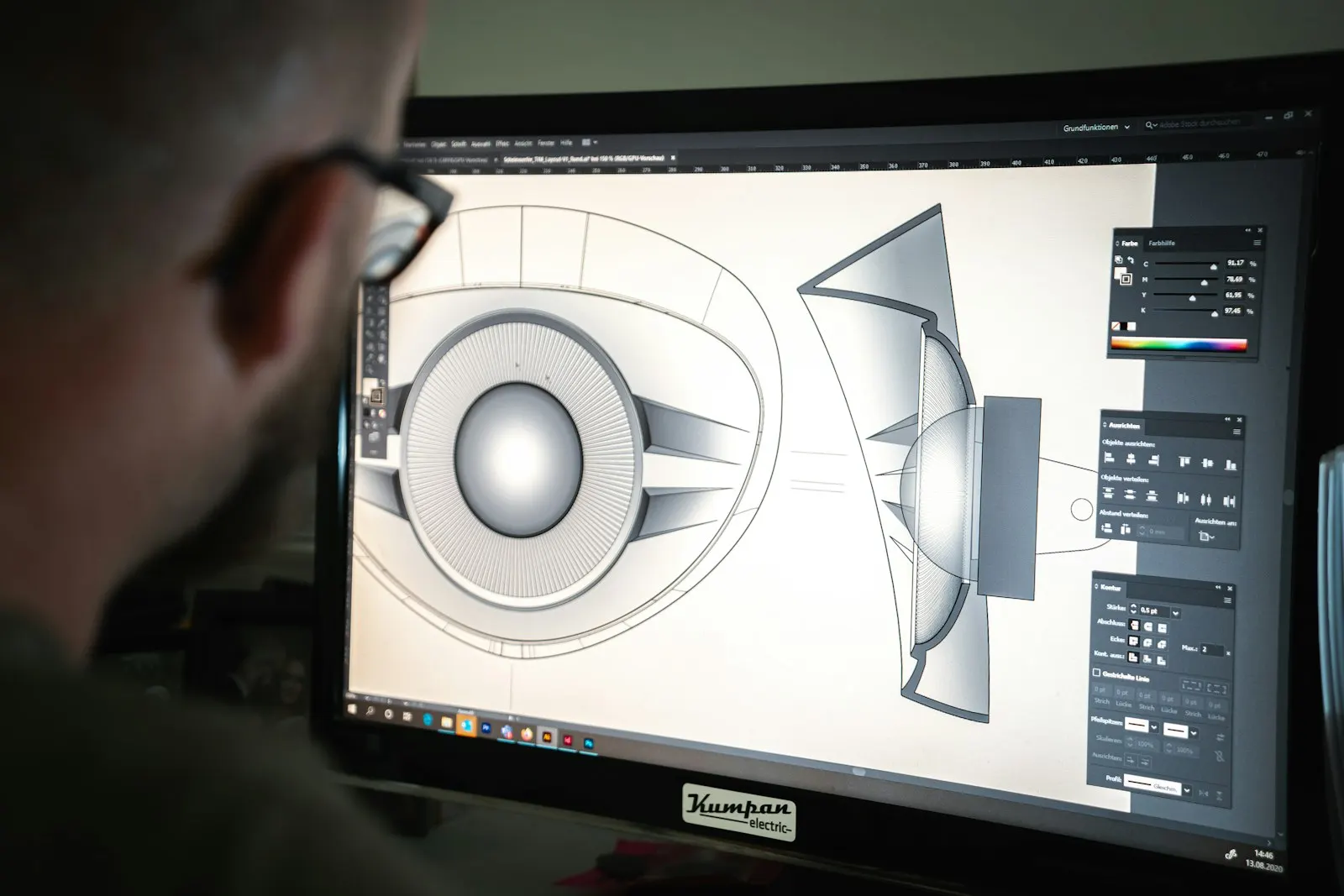
3D printed prototypes, iterations, fixtures, models, and casting masters, printed beside the CAD station that designed them.
Test it physically before you pay for tooling
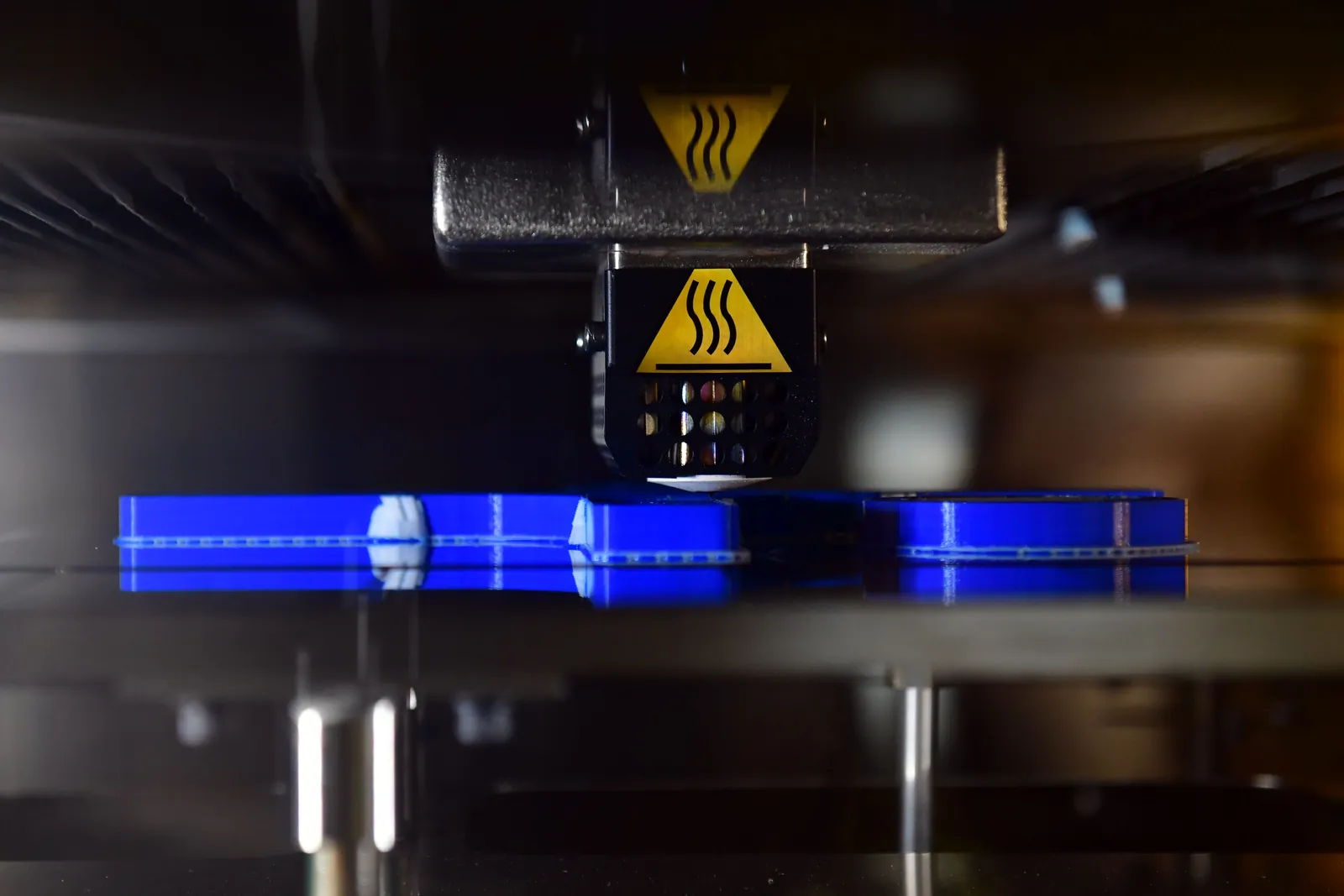
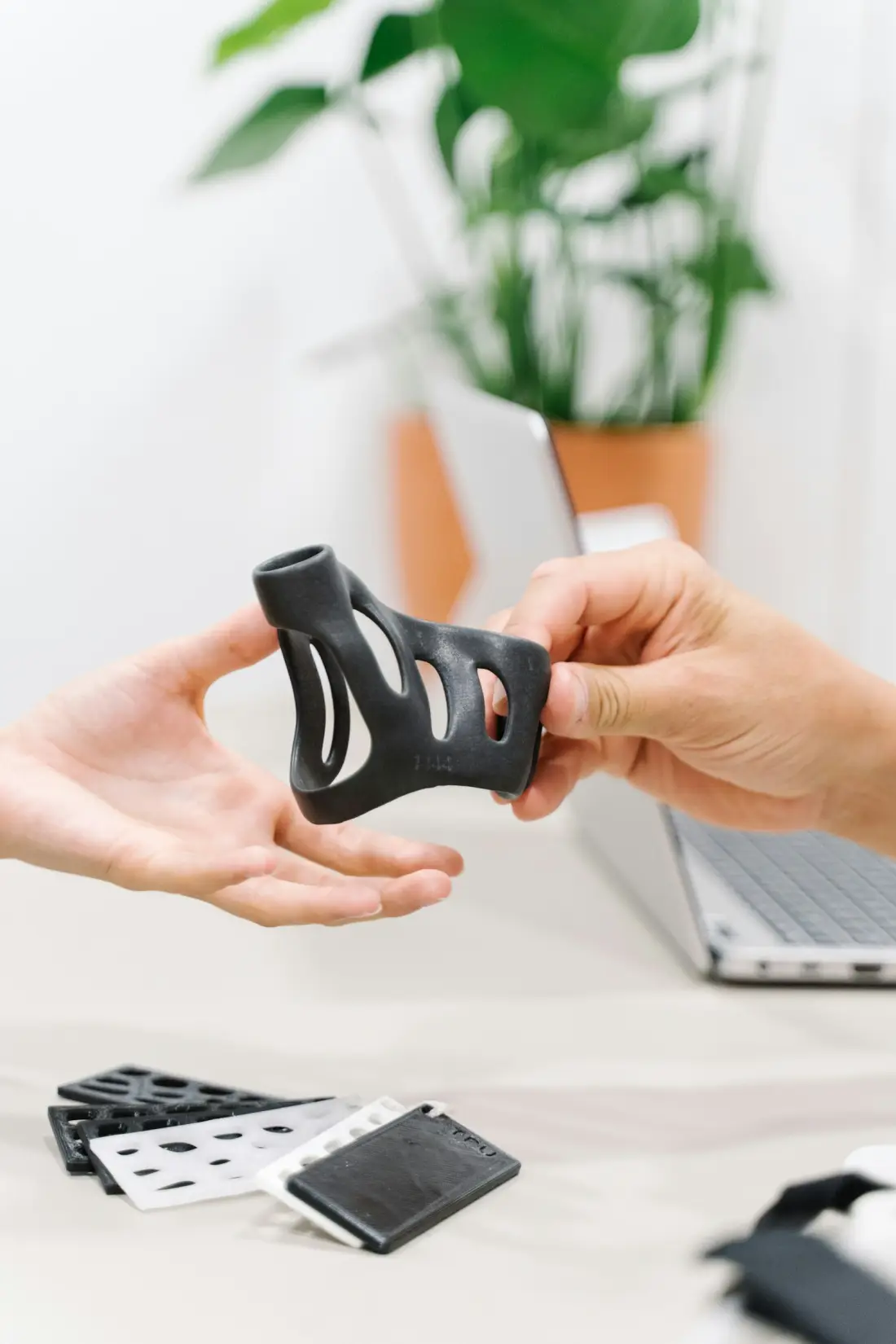
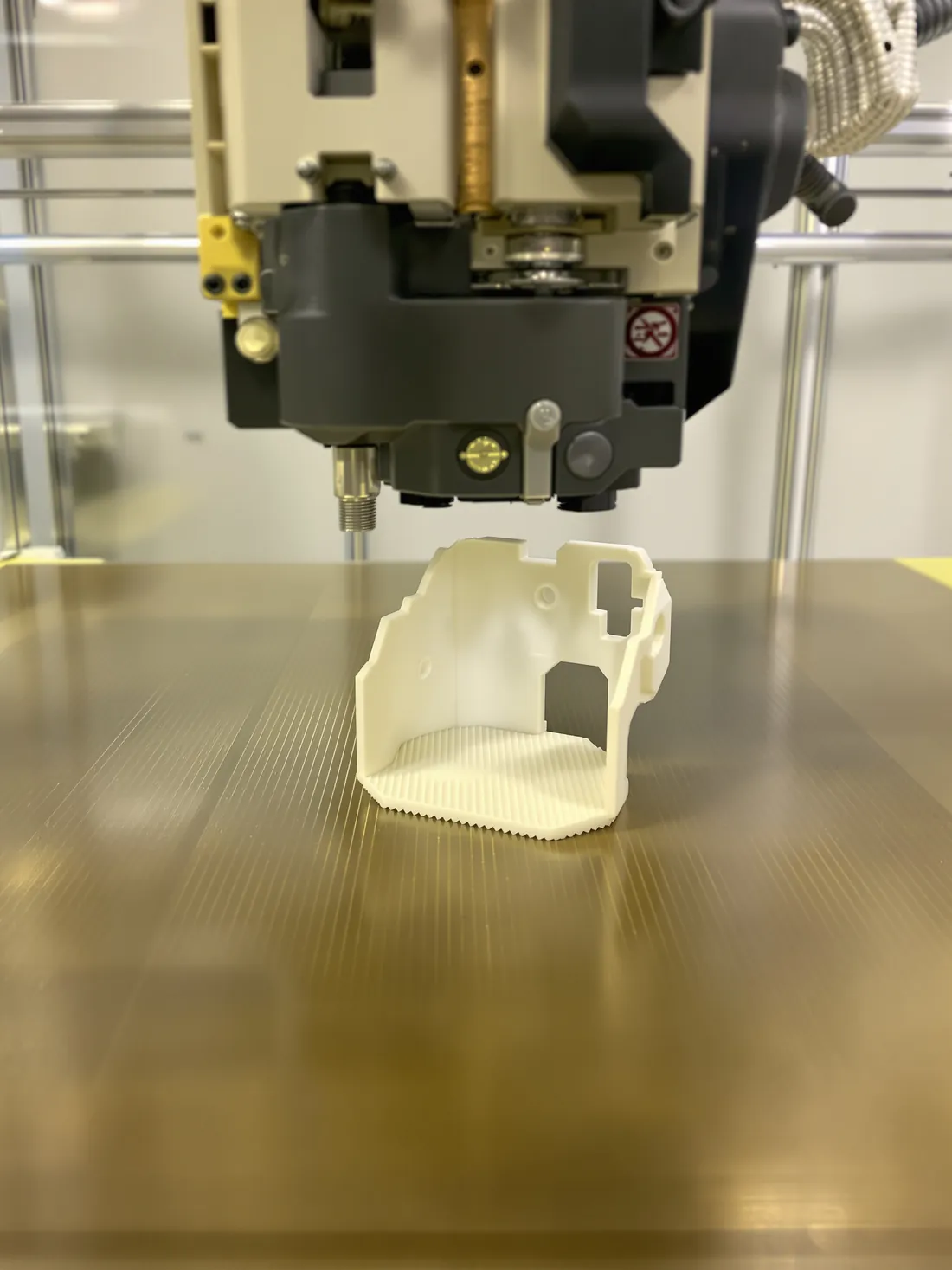
A printed part answers questions a screen cannot: does it fit, does it feel right, does it assemble. We print complex components, rapid prototypes, design iterations, patterns, fixtures, models, and low-volume parts.
Printing sits at the start of a longer path here. A good print often becomes the master for a silicone mold and a run of urethane castings, or the proof that a design is ready for injection molding.
Rapid prototypes
Form, fit, and function checks on new designs, turned around quickly.
Design iterations
Print, test, refine the CAD, and print again until it is right.
Casting masters and patterns
Printed masters that become silicone molds for urethane casting.
Fixtures, models, and short runs
Shop fixtures, presentation models, and low-volume parts.
Printing at a glance
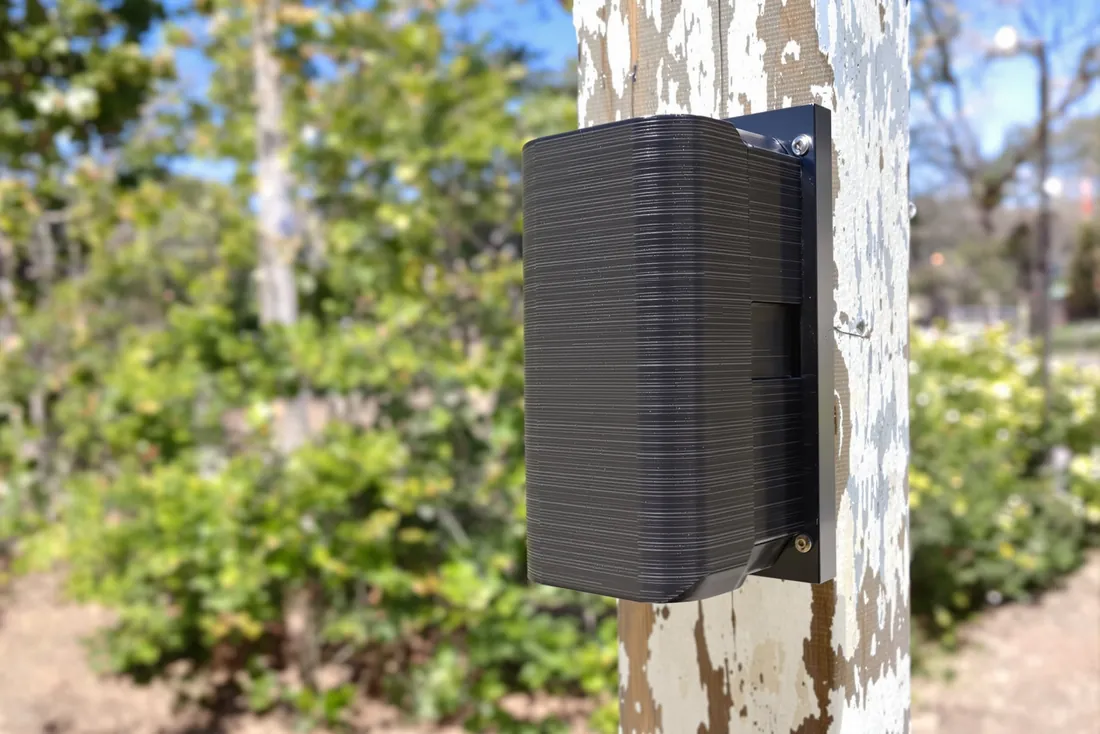
ABS in black or ivory for tough, paintable parts. ASA for parts that live outdoors.
Getting a physical part to test before committing to molds or machining.
Proven prints move to urethane casting, CNC, or injection molding in-house.
How a print becomes a product
Prepare the model
Orient and prepare the CAD for printing, including supports and finish needs.
Print the part
Build it in the right material for the test you need to run.
Test and refine
Check fit and function, then feed changes back into CAD.
Move to production
Use the proven geometry as a casting master or a mold-ready design.
Where this work ends up
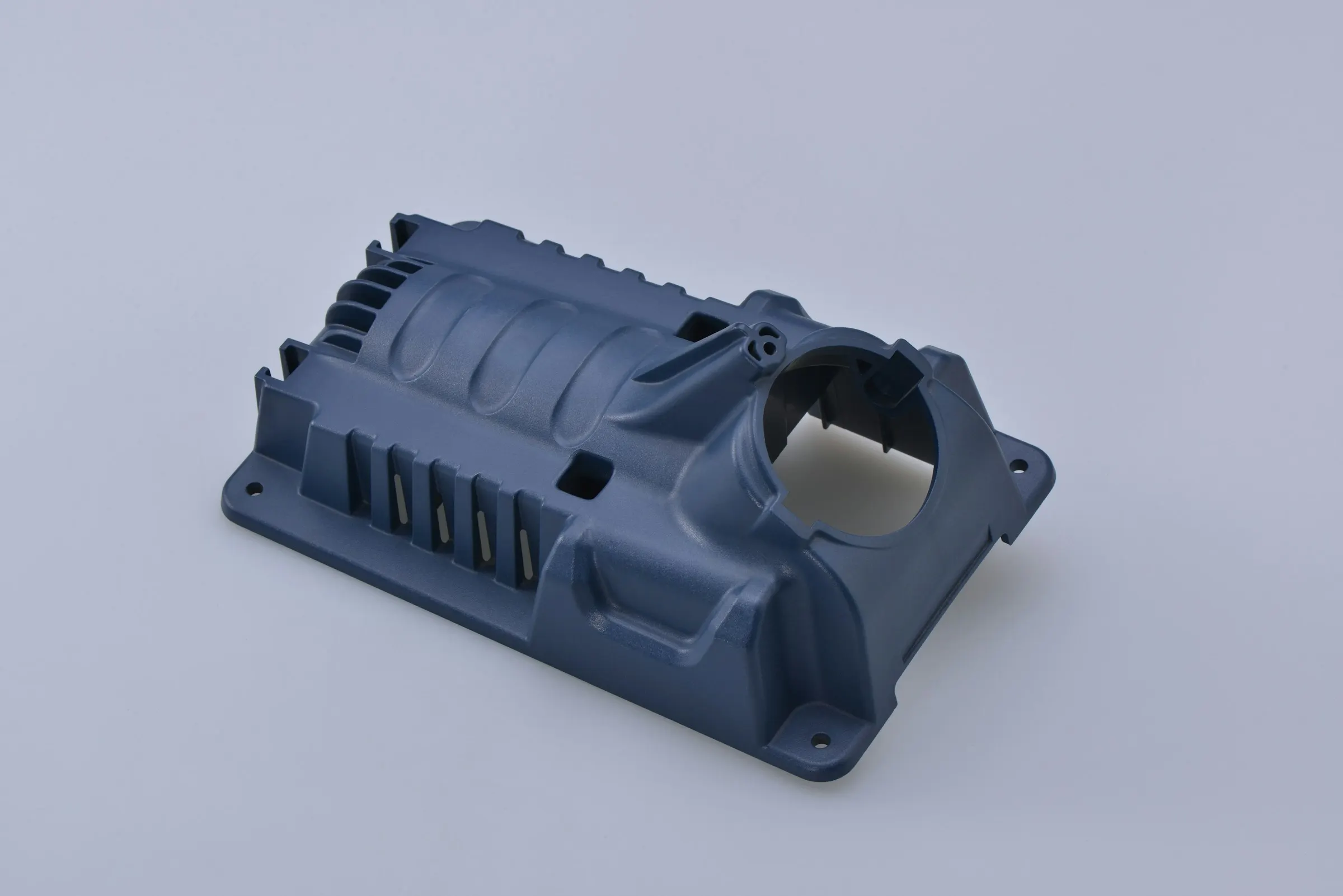
Consumer Products
Appearance models and housings printed for fit checks before casting or molding.
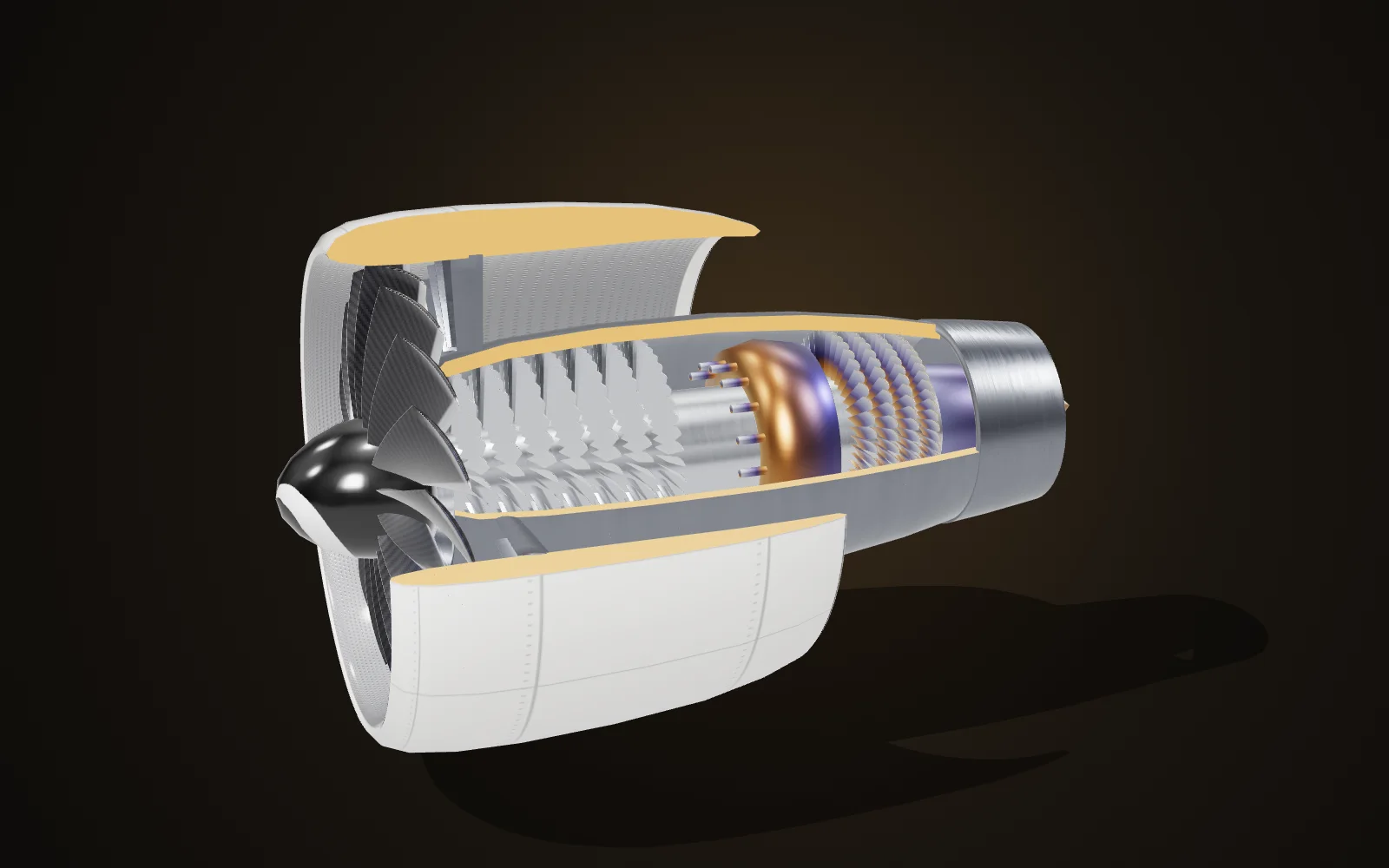
Demonstration & Training
Printed models and cutaways for trade shows and training.
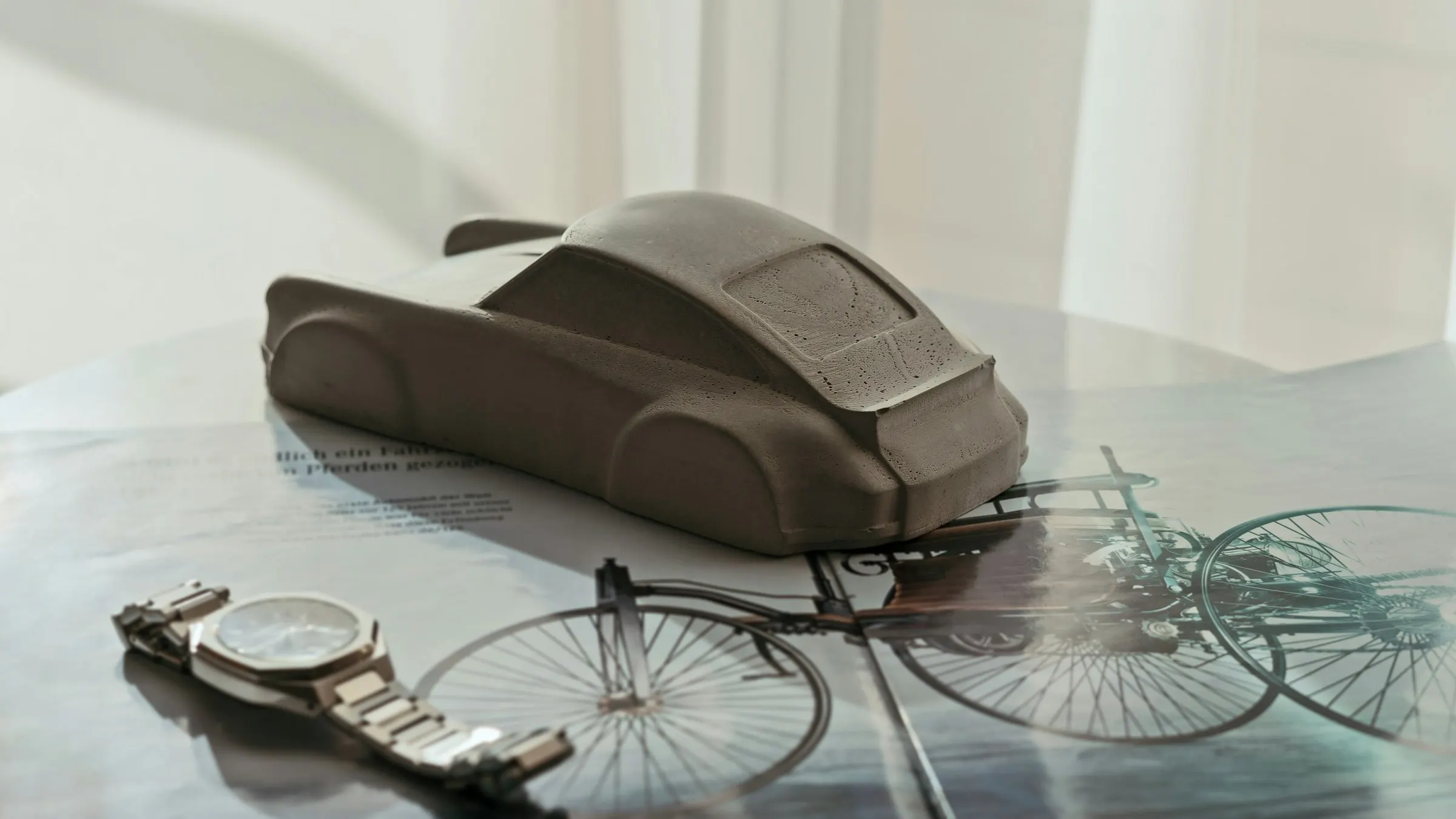
Automotive
Brackets, trim, and interior prototypes for fit and look reviews.
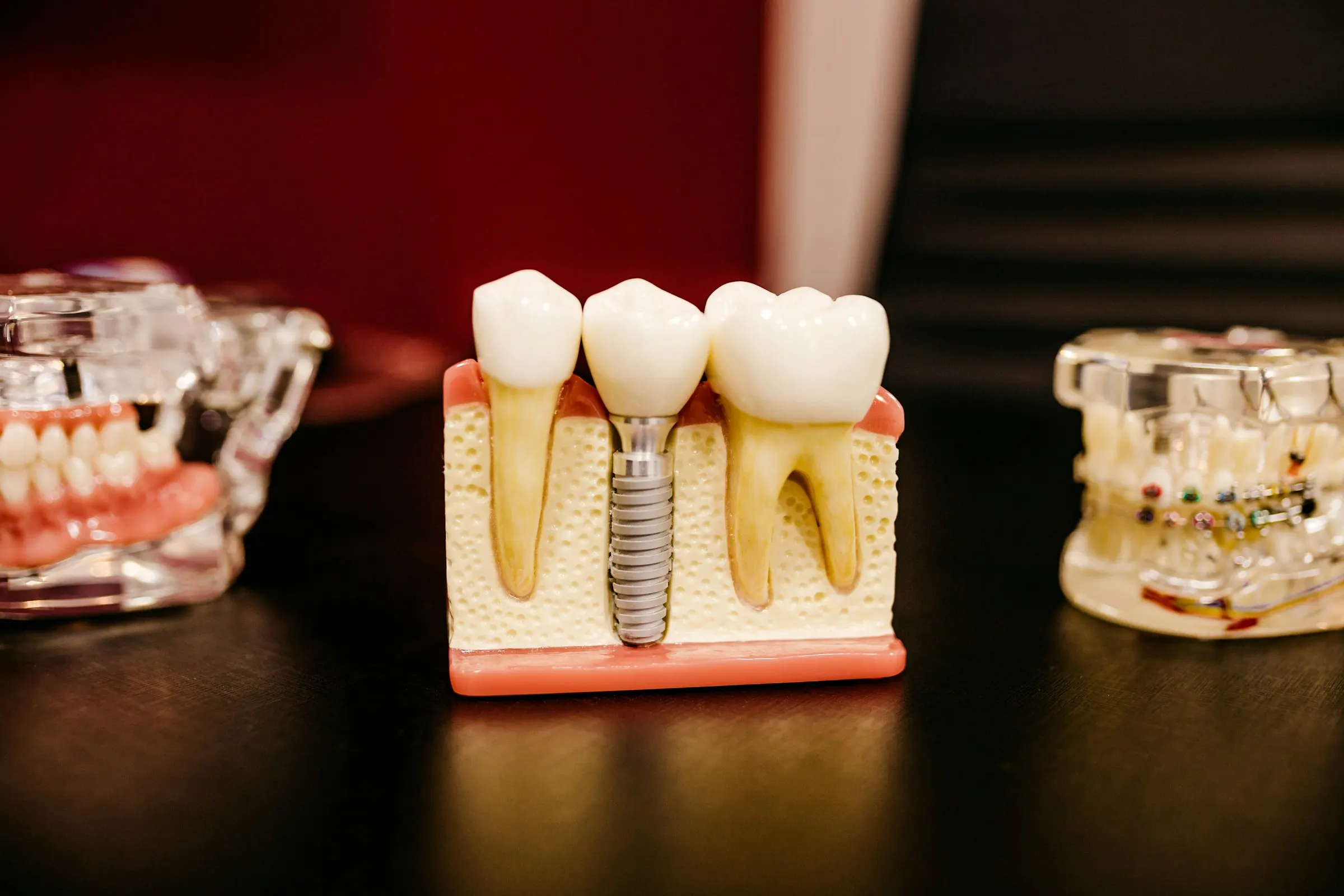
Dental
First-article models and masters for dental sales and educational products.
Medical
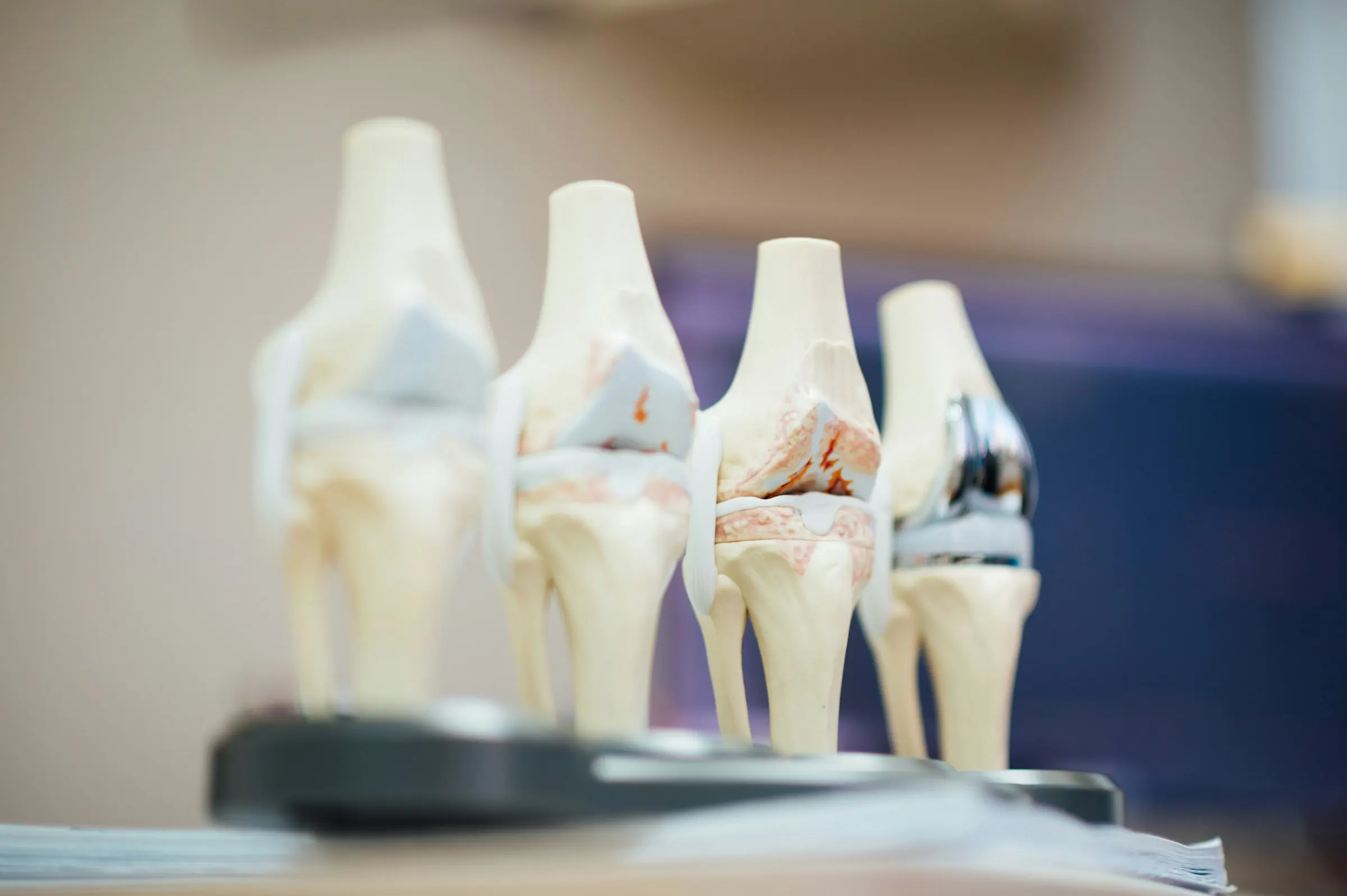
Development and evaluation prototypes and training-model masters.
Questions buyers ask first
Something else on your mind? Call 1.858.900-9787 or email Jaime@fi9design.com.
Our current additive materials are ABS in black and ivory, and ASA. ABS is tough and paints well; ASA adds UV and weather resistance for outdoor parts.
Printing is ideal for prototypes and short runs. When you need more parts, or production-grade surfaces and materials, the printed geometry becomes the master for urethane casting or moves toward injection molding.
Yes. Yes. Painting, pad printing, silk screening, and other turnkey finishes can make a printed model look like a finished product.
It depends on size, quantity, and finishing. Send the file and the date you need it, and we will tell you plainly whether we can hit it.
Often paired with
CAD Modeling
Concepts, drawings, scans, and existing parts converted into manufacturable digital models, then refined before anything is made.
Learn more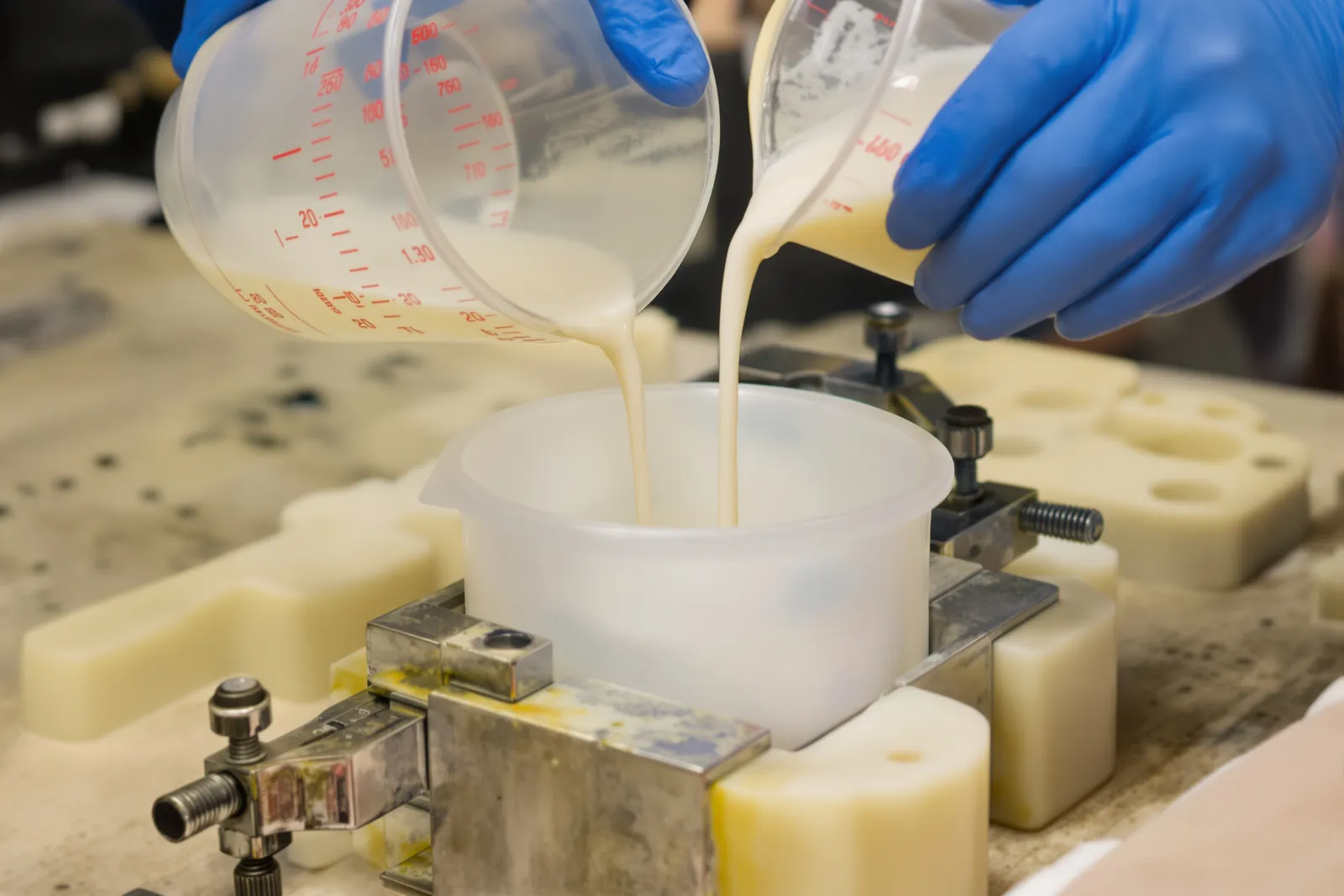
Urethane Casting
Production-representative parts from silicone molds, cost-effective for prototypes and low-to-medium volumes.
Learn more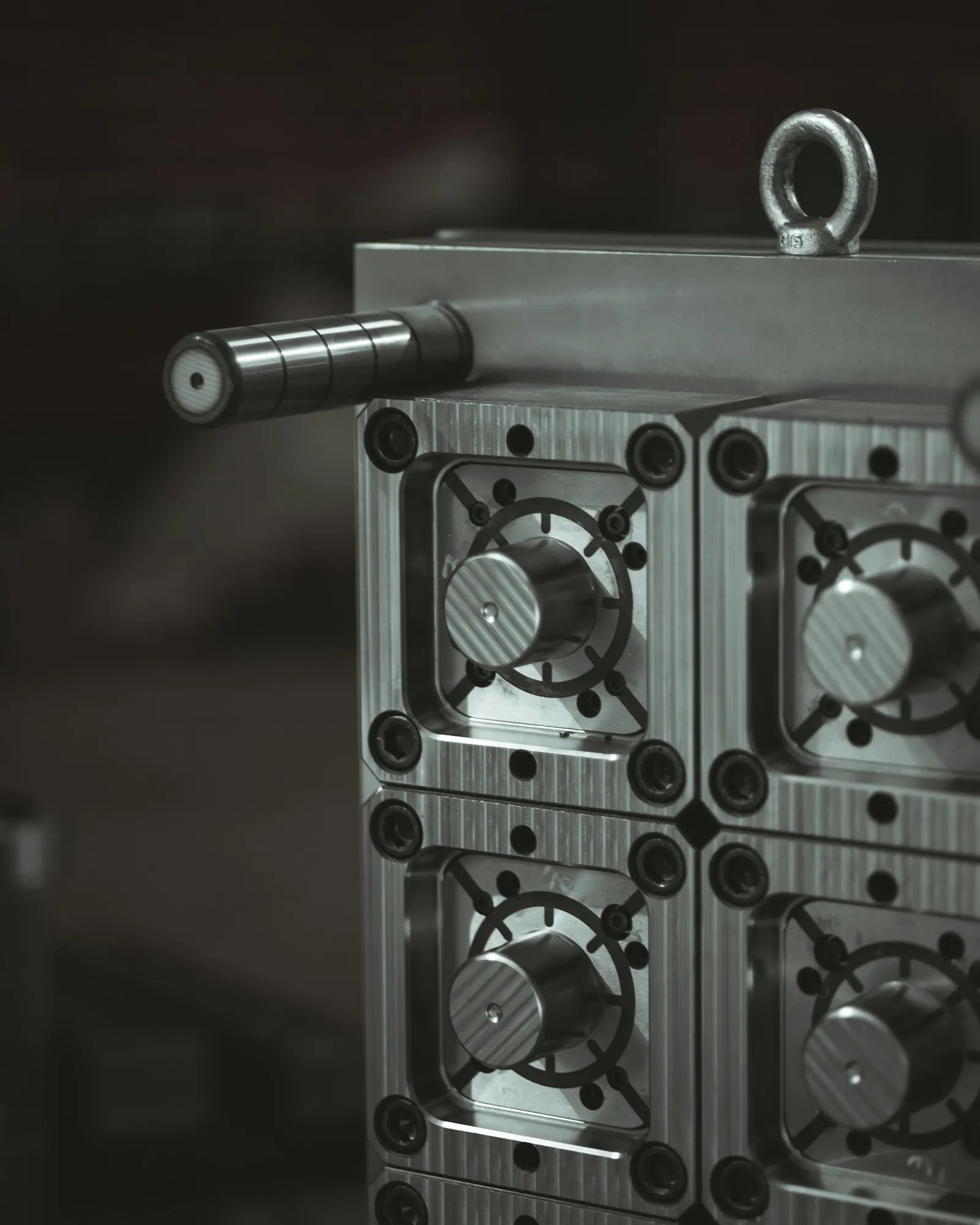
Injection Molding
Repeatable plastic-part production, with tooling and strategy planned around your expected volume.
Learn more
Get the first prototype on the bench.
Send a CAD file or a sketch and tell us what the part has to prove.