Capabilities
About
Contact
Get a Quote
1.858.900-9787 Jaime@fi9design.com 6302 Federal Blvd, Suite B, San Diego, CA 92114

Aluminum and stainless for machined parts

Aluminum 6061 and 7075, and stainless steel 303, 304, 316, and 17-4 PH, compared so you can pick with confidence.

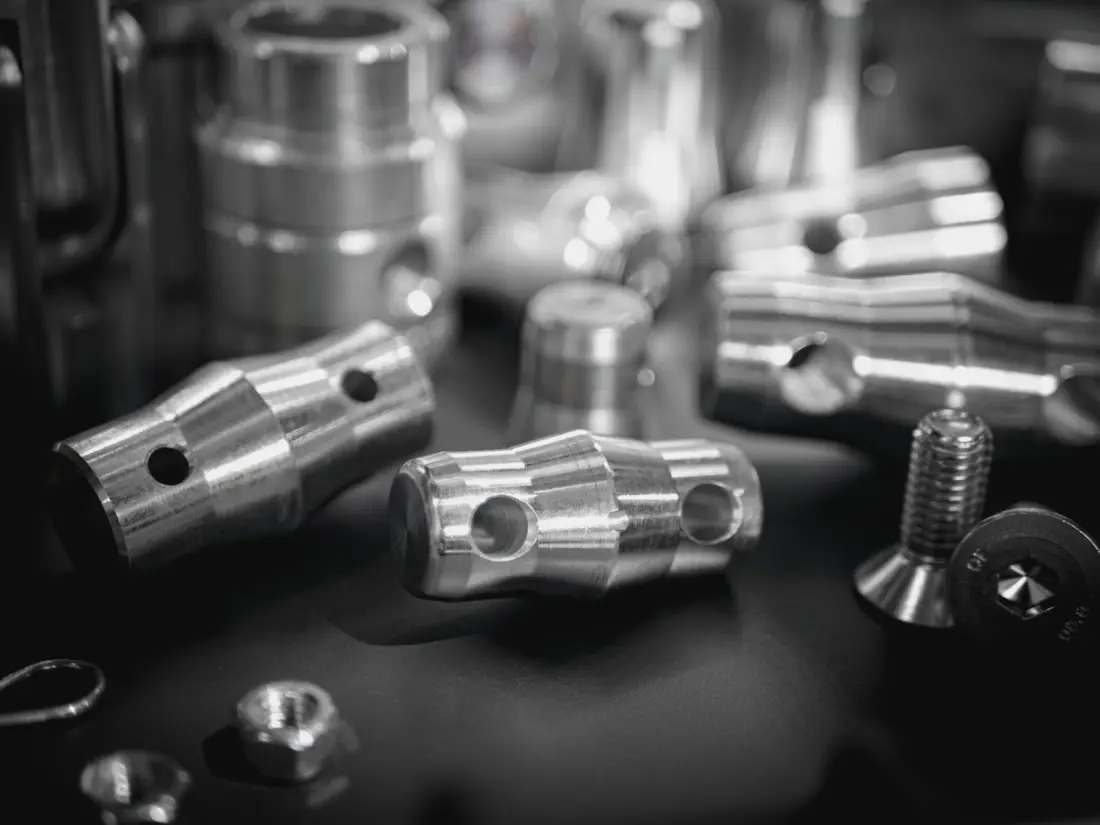
Machined aluminum components
Aluminum 6061
Aluminum

Aluminum 6061

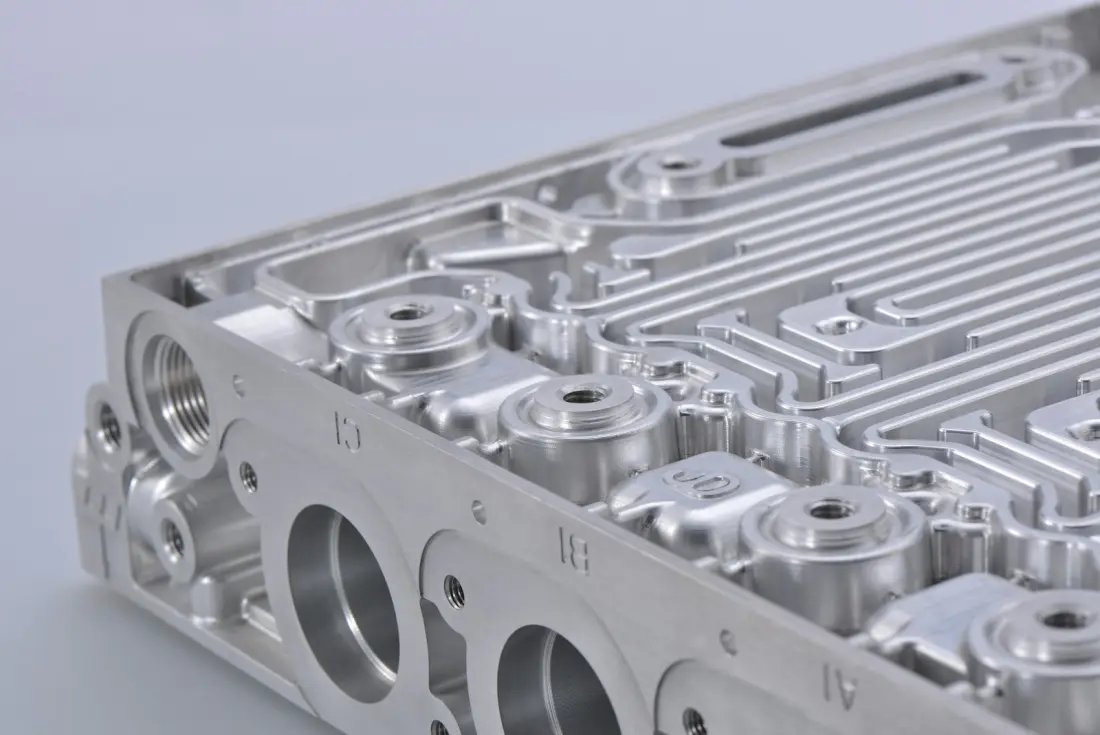
6061 is the all-round machining aluminum. It is light, machines cleanly, resists corrosion, and takes anodizing and paint well, which makes it the default for brackets, housings, fixtures, and prototype parts.

Common temper
T6
Tensile strength
about 310 MPa
Density
2.70 g/cm³
Strengths
Machinability, corrosion resistance
Typical usesBrackets and mountsEnclosuresFixtures and jigsPrototype parts
Aluminum 7075
Aluminum

Aluminum 7075

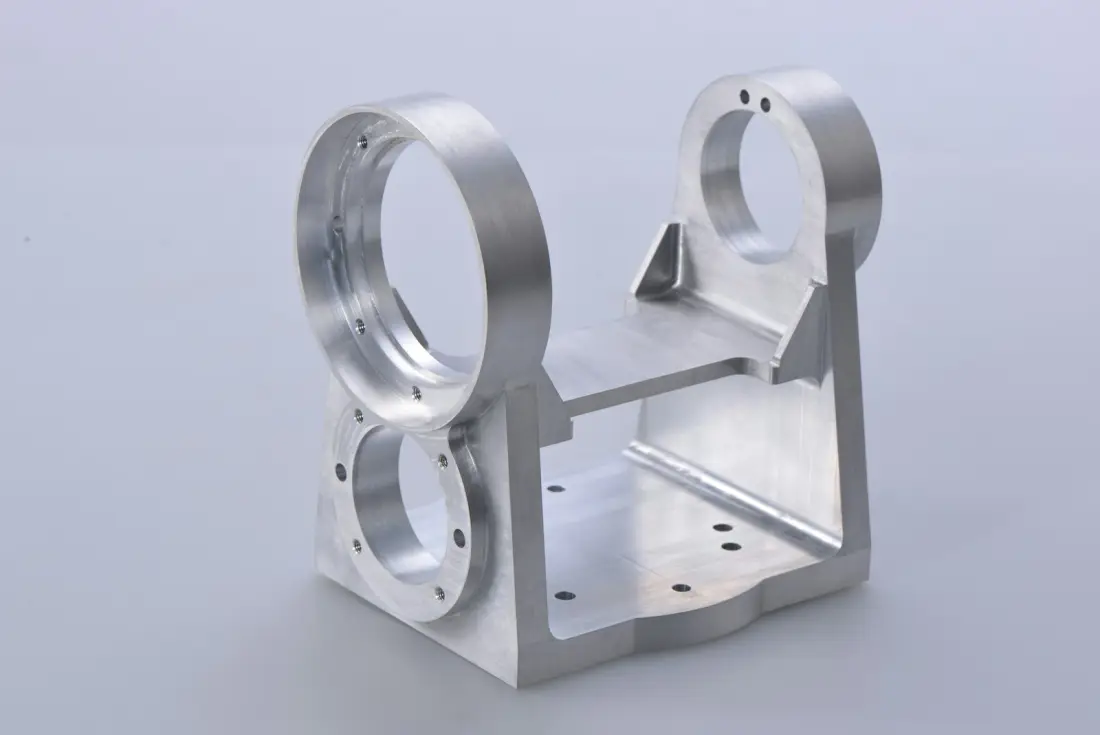
7075 is one of the strongest common aluminum alloys, close to some steels in strength at about a third of the weight. It is chosen for structural and high-stress parts where 6061 is not enough.

Common temper
T6
Tensile strength
about 570 MPa
Density
2.81 g/cm³
Strengths
Strength to weight
Typical usesStructural partsHigh-stress bracketsDefense componentsTooling
Made withCNC Machining
Stainless 303
Stainless steel

Stainless 303

303 has added sulfur that makes it the easiest stainless to machine. It is a good choice for fittings, shafts, fasteners, and detailed parts where machining time matters and the environment is not severe.

Family
Austenitic
Tensile strength
about 620 MPa
Density
8.0 g/cm³
Strengths
Machinability
Typical usesFittingsShafts and pinsFastenersDetailed turned parts
Made withCNC Machining
Stainless 304
Stainless steel

Stainless 304

304 is the most widely used stainless steel. It balances corrosion resistance, formability, and strength, and suits general-purpose parts, covers, and components in everyday environments.

Family
Austenitic
Tensile strength
515 MPa minimum
Density
8.0 g/cm³
Strengths
General corrosion resistance
Typical usesCovers and platesGeneral componentsFood-contact style partsBrackets
Made withCNC Machining
Stainless 316
Stainless steel

Stainless 316

316 adds molybdenum for better resistance to chlorides and harsh chemicals than 304. It is the stainless to specify for marine, outdoor, and medical-device-adjacent hardware such as orthopedic sales kits.

Family
Austenitic
Tensile strength
515 MPa minimum
Density
8.0 g/cm³
Strengths
Chloride and chemical resistance
Typical usesMarine and outdoor hardwareOrthopedic demo hardwareChemical-exposed partsFittings
Made withCNC Machining
Stainless 17-4 PH
Stainless steel

Stainless 17-4 PH

17-4 PH can be heat treated to strengths far above the austenitic grades while keeping good corrosion resistance. It suits high-load mechanical parts, shafts, and defense and aerospace-style components.

Family
Precipitation hardening
Tensile strength
about 1,310 MPa (H900)
Density
7.8 g/cm³
Strengths
Strength and hardness
Typical usesHigh-load partsShafts and gearsDefense componentsTooling
Made withCNC Machining

How the metals compare

Representative published values for common conditions. Pick a property.

Representative published values (6061-T6, 7075-T6, annealed 303/304/316 with 304 and 316 at specified minimums, 17-4 PH in H900). Actual properties depend on temper, heat treatment, and stock. Confirm requirements on your quote.

Questions buyers ask first

Something else on your mind? Call 1.858.900-9787 or email Jaime@fi9design.com.

Start with 6061 for most parts: it machines easily, resists corrosion, and costs less. Move to 7075 when the part needs significantly more strength.

303 for parts with lots of machining in mild environments, 304 for general use, 316 for chlorides, outdoor, and chemical exposure, and 17-4 PH when strength is the priority.

Painting is done in-house. Ask us about anodizing and other finishes for your part.

Not sure which alloy? Ask.

Tell us the load, the environment, and the budget, and we will recommend one.